-
Vetro fuso a serbatoi di acciaio (596)
-
carri armati di acciaio inossidabile (434)
-
La fusione ha legato i carri armati a resina epossidica (592)
-
Serbatoi in acciaio galvanizzato (321)
-
Tetti di alluminio della cupola (1316)
-
Serbatoi di stoccaggio delle acque reflue (231)
-
serbatoi di acciaio saldato (457)
-
Contenitori a pressione (295)
-
Digestore anaerobico (201)
-
Serbatoi di acqua industriali (349)
-
Serbatoi in acciaio rivestiti di vetro (180)
-
Serbatoi di acciaio serrati (390)
-
Serbatoio del fango (115)
-
Serbatoio del biogas (173)
-
Serbatoi di stoccaggio di lixiviazione (133)
-
Serbatoi di stoccaggio dell'acqua agricola (179)
-
Serbatoio dell'acqua di fuoco (166)
-
Silos di stoccaggio del grano (146)
-
Progetti di biogas (425)
-
Progetti di trattamento delle acque reflue (788)
-
Tetti a doppia membrana (223)


|
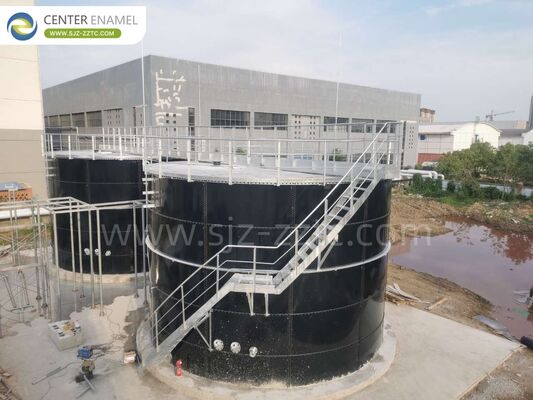
Trasformazione dei rifiuti di suino: tecnologia avanzata del biogas e serbatoi GFS in Corea del Sud
| Luogo di origine: | Cina |
| Marca: | CEC TANKS |
| Certificazione: | ISO 9001:2008, AWWA D103 , OSHA , BSCI |
| Numero di modello: | W |
| Quantità di ordine minimo: | 1SET |
| Prezzo: | $5000~$20000 one set |
| Imballaggi particolari: | Polischiuma PE tra ciascuna due piastre di acciaio; pallet di legno e legno |
| Tempi di consegna: | 10-30 giorni dopo il deposito ricevuto |
| Termini di pagamento: | L/C, T/T |
| Capacità di alimentazione: | 60 set al mese |
|
Informazione dettagliata |
|||
| Luogo di origine | Cina | Marca | CEC TANKS |
|---|---|---|---|
| Certificazione | ISO 9001:2008, AWWA D103 , OSHA , BSCI | Numero di modello | W |
| Colore corpo serbatoio: | Verde scuro/personalizzabile | Integrità alla corrosione: | Eccellente |
| Spessore lamiere d'acciaio: | Da 3 mm a 12 mm, dipende dalla struttura del serbatoio | Resistenza chimica: | Eccellente |
| Dimensioni del pannello: | 2,4 milioni * 1,2 milioni | Facile da pulire: | Liscio, lucido, inerte, antiadesione |
| Evidenziare: | tecnologia del biogas dei rifiuti di suino,trattamento delle acque reflue con serbatoi GFS,Progetti di biogas in Corea del Sud |
||
Descrizione del prodotto
Trasformare gli scarti dei suini:AvanzatoTecnologia del biogasECarri armati GFS in Corea del Sud
Mentre la Corea del Sud intensifica il suo impegno verso un’economia circolare e la neutralità delle emissioni di carbonio, il settore agricolo, in particolare l’industria suina, sta attraversando un significativo cambiamento tecnologico. Sebbene la carne di maiale rimanga la carne più consumata nel paese, la concentrazione di allevamenti di suini ad alta densità presenta una sfida ambientale urgente: la gestione sostenibile del letame del bestiame. Per le moderne imprese suine in Corea del Sud, l'adozione di tecnologie avanzateTecnologia del biogasnon è più una scelta ma una necessità strategica. Combinando processi anaerobici ad alta efficienza come ilUASB (Coperta di fanghi anaerobici a riflusso)con durevoleSerbatoi in vetro fuso su acciaio (GFS)., gli operatori agricoli stanno convertendo con successo il letame suino pericoloso in una fonte di energia pulita e rinnovabile.
Il panorama del settore suinicolo della Corea del Sud
L'industria suina della Corea del Sud è una componente vitale del suo sistema alimentare nazionale, caratterizzato da operazioni di allevamento intensivo e altamente professionalizzate. I principali centri di produzione, come quelli nelle province di Chungcheong e Gyeonggi, utilizzano tecnologie avanzate di allevamento e alimentazione per soddisfare la domanda interna. Tuttavia, questa scala industriale produce grandi quantità di liquame (liquame). A differenza dei rifiuti bovini, il letame suino è altamente concentrato di materia organica, fosforo e azoto, il che lo rende un’acqua reflua “ad alta resistenza” che richiede sofisticate infrastrutture di trattamento per prevenire squilibri ecologici.
Pericoli ambientali dello scarico diretto di letame suino
Nel terreno montuoso e nelle regioni densamente popolate della Corea del Sud, lo smaltimento improprio o lo scarico diretto del letame suino porta a gravi rischi ambientali:
Degrado della qualità dell'acqua: Lisciviazione di nitrati e fosfati nei sistemi fluviali vitali e nelle acque sotterranee, causando eutrofizzazione e minacciando la sicurezza delle fonti di acqua potabile.
Impatto atmosferico: La decomposizione dei liquami non trattati rilascia quantità significative di metano ($CH_4$) e ammoniaca, contribuendo all'impronta di gas serra e incidendo sulla qualità dell'aria locale.
Odore e conflitto sociale: Gli allevamenti intensivi vicini ad aree urbane o residenziali sono spesso sottoposti a severi controlli sociali a causa degli odori opprimenti e della proliferazione di parassiti.
Squilibrio dei nutrienti nel suolo: L'applicazione eccessiva di letame grezzo come fertilizzante può portare all'accumulo di metalli pesanti e all'acidificazione del suolo.
Politiche di trattamento delle acque reflue in Corea del Sud
ILGoverno della Corea del Sudha implementato alcune delle normative ambientali più severe al mondo per il settore dell'allevamento. Sotto il"Legge sulla gestione e l'utilizzo degli escrementi del bestiame"le aziende agricole sono tenute a trattare il letame per soddisfare rigorosi standard sugli effluenti prima dello scarico. Inoltre, il governo promuove attivamente il modello della “Fattoria Energeticamente Indipendente”, fornendo sussidi e supporto tecnico per gli impianti di biogas che convertono i rifiuti in elettricità o biometano. Queste politiche mirano a ridurre la dipendenza del settore agricolo dai combustibili fossili raggiungendo al contempo obiettivi di scarico zero.
Dai rifiuti all'energia: il processo del biogas del letame suino
La conversione del letame suino in biogas è un processo biologico controllato che estrae il massimo valore dai sottoprodotti agricoli:
Collezione: I liquami suini e le acque di lavaggio vengono raccolti in un bacino di raccolta centralizzato e sigillato.
Digestione anaerobica: I rifiuti organici vengono immessi in un ambiente privo di ossigenoReattore anaerobico.
Decomposizione biologica: I batteri specializzati scompongono la materia organica attraverso quattro fasi: idrolisi, acidogenesi, acetogenesi e metanogenesi.
Generazione di metano: Il processo acquisiscebiogas(prevalentemente metano), che viene stoccato in contenitori integrati o separati.
Recupero delle risorse: Il biogas viene purificato per generare elettricità o calore, mentre il digestato rimanente viene trasformato in fertilizzante organico di alta qualità per l'industria orticola della Corea del Sud.
Ingegneria avanzata: processi anaerobici specializzati
Center Enamel fornisce una suite di tecnologie anaerobiche progettate per gestire diverse caratteristiche dei rifiuti zootecnici:
UASB (Coperta di fanghi anaerobici a riflusso): Altamente efficiente per le acque reflue dei suini ad alto contenuto liquido. Utilizza un tappeto di fanghi granulari per ottenere un trattamento rapido e una rimozione del COD ad alta efficienza in un ingombro compatto.
CSTR (reattore con serbatoio completamente agitato): Ideale per liquami ad alto contenuto di solidi, utilizza l'agitazione meccanica per garantire una digestione uniforme ed evitare la formazione di croste superficiali.
USR (reattore solido a flusso ascendente): Specificamente progettato per rifiuti con elevato contenuto di solidi sospesi (SS), massimizzando la decomposizione delle fibre organiche complesse.
Reattore IC (circolazione interna).: Un reattore ad alta velocità che utilizza un sistema di sollevamento del gas interno per la circolazione, perfetto per impianti di lavorazione industriale su larga scala.
Vantaggi applicativi dei serbatoi GFS nei progetti di biogas suino
Per i progetti di biogas in Corea del Sud,Serbatoi in vetro fuso su acciaio (GFS).sono la scelta principale per le infrastrutture del reattore:
Resistenza alla corrosione superiore: Il legame vetro-acciaio protegge il recipiente dall'$H_2S$ altamente corrosivo e dagli acidi organici inerenti alla digestione degli escrementi dei suini.
Costruzione modulare rapida: I serbatoi GFS imbullonati possono essere installati in una frazione del tempo necessario per il calcestruzzo, riducendo al minimo i disagi alle operazioni agricole.
Resilienza climatica estrema: Sono progettati per resistere alle variazioni di temperatura stagionali della Corea del Sud, dalle estati umide agli inverni gelidi, senza rompersi.
Facilità di manutenzione: La superficie liscia e inerte previene la formazione di calcare e l'accumulo di biofilm, garantendo una durata operativa superiore a 30 anni.
Perché collaborare con Center Enamel?
Center Enamel è un leader globale nell'ingegneria ambientale e offre vantaggi distinti per i progetti di biogas:
Soluzioni EPC chiavi in mano: Forniamo servizi completi, dalla progettazione del processo biologico e produzione di serbatoi all'installazione e messa in servizio in loco.
Standard di qualità globali: I nostri serbatoi GFS soddisfano o superano gli standard internazionali come AWWA D103-09, OSHA e ISO, garantendo la massima sicurezza e prestazioni.
Decenni di esperienza: Con progetti in oltre 100 paesi, possediamo la profondità ingegneristica necessaria per adattare le soluzioni alle specifiche esigenze operative e climatiche della Corea del Sud.
Ricerca e sviluppo avanzati: La nostra continua innovazione nella tecnologia anaerobica garantisce che i nostri clienti ottengano la massima resa possibile di biogas e l'efficienza del trattamento.
Storie di successo globali: casi di progetti comprovati
Caso 1: Progetto sul biogas in Indonesia
Applicazione del serbatoio: impianto di trattamento delle acque reflue di olio di palma
Modello serbatoio: Ø19,86 × 8,4 m
Numero di serbatoi: 3 serbatoi GFS
Installazione: 7 persone, 40 giorni
Data di installazione: novembre 2009
Caso 2: Progetto sul biogas in Svezia
Dimensioni del serbatoio: φ19,11 × 19,2 m (H) — 1 unità
Volume totale: 5.510 m³
Anno di completamento: 2024
Per la crescente industria suina della Corea del Sud, l'integrazione diTecnologia del biogasutilizzando ilProcesso UASBESerbatoi GFSrappresenta un potente passaggio verso un’agricoltura sostenibile. La vasta esperienza ingegneristica di Center Enamel consente ai proprietari di aziende agricole di soddisfare rigorose normative ambientali riducendo significativamente i costi energetici. Convertendo il letame suino in energia rinnovabile, le aziende agricole coreane possono realizzare una “economia circolare” sostenibile che protegge le risorse naturali della nazione e migliora la redditività operativa a lungo termine per decenni.