-
Vetro fuso a serbatoi di acciaio (596)
-
carri armati di acciaio inossidabile (434)
-
La fusione ha legato i carri armati a resina epossidica (592)
-
Serbatoi in acciaio galvanizzato (321)
-
Tetti di alluminio della cupola (1316)
-
Serbatoi di stoccaggio delle acque reflue (231)
-
serbatoi di acciaio saldato (457)
-
Contenitori a pressione (295)
-
Digestore anaerobico (201)
-
Serbatoi di acqua industriali (349)
-
Serbatoi in acciaio rivestiti di vetro (180)
-
Serbatoi di acciaio serrati (390)
-
Serbatoio del fango (115)
-
Serbatoio del biogas (173)
-
Serbatoi di stoccaggio di lixiviazione (133)
-
Serbatoi di stoccaggio dell'acqua agricola (179)
-
Serbatoio dell'acqua di fuoco (166)
-
Silos di stoccaggio del grano (146)
-
Progetti di biogas (425)
-
Progetti di trattamento delle acque reflue (788)
-
Tetti a doppia membrana (223)

|
Trasformazione dei rifiuti di suino: soluzioni avanzate di biogas e serbatoi GFS in Myanmar
| Luogo di origine: | Cina |
| Marca: | CEC TANKS |
| Certificazione: | ISO 9001:2008, AWWA D103 , OSHA , BSCI |
| Numero di modello: | W |
| Quantità di ordine minimo: | 1SET |
| Prezzo: | $5000~$20000 one set |
| Imballaggi particolari: | Polischiuma PE tra ciascuna due piastre di acciaio; pallet di legno e legno |
| Tempi di consegna: | 10-30 giorni dopo il deposito ricevuto |
| Termini di pagamento: | L/C, T/T |
| Capacità di alimentazione: | 60 set al mese |
|
Informazione dettagliata |
|||
| Luogo di origine | Cina | Marca | CEC TANKS |
|---|---|---|---|
| Certificazione | ISO 9001:2008, AWWA D103 , OSHA , BSCI | Numero di modello | W |
| Colore corpo serbatoio: | Verde scuro/personalizzabile | Integrità alla corrosione: | Eccellente |
| Spessore lamiere d'acciaio: | Da 3 mm a 12 mm, dipende dalla struttura del serbatoio | Resistenza chimica: | Eccellente |
| Dimensioni del pannello: | 2,4 milioni * 1,2 milioni | Facile da pulire: | Liscio, lucido, inerte, antiadesione |
| Evidenziare: | soluzioni di biogas di rifiuti di suino,Serbatoi GFS per le acque reflue,trattamento delle acque reflue a biogas Myanmar |
||
Descrizione del prodotto
Trasformazione dei rifiuti di suini:AvanzatoSoluzioni a biogas- eSerbatoi GFS in Myanmar
Mentre il settore agricolo del Myanmar subisce una rapida trasformazione, l'industria zootecnica, in particolare la produzione suina, è diventata una pietra angolare dell'economia nazionale e della sicurezza alimentare.Per bilanciare questa crescita con la responsabilità ambientale, l'integrazione di sistemi avanzatiSoluzioni a biogas, ilProcesso CSTR, eSerbatoi di vetro fusi in acciaio (GFS)La politica agricola comune è diventata una strategia vitale per gli operatori agricoli di tutto il paese.
Il paesaggio del settore suino del Myanmar
L'industria dell'allevamento di suini in Myanmar sta passando dall'allevamento tradizionale su piccola scala a un'allevamento commerciale modernizzato su larga scala.Questo cambiamento è guidato dall'aumento della domanda interna di proteine e dalla spinta nazionale all'autosufficienza agricolaLe moderne zone di allevamento si trovano sempre più spesso nelle principali regioni agricole, sostenendo le catene di approvvigionamento locali e i mezzi di sussistenza rurali.Questa industrializzazione genera enormi volumi di rifiuti organici di "alta resistenza" che superano la capacità dei metodi di smaltimento tradizionali.
Rischi ambientali derivanti dal rilascio diretto di letame suino
Nel clima tropicale e monsonico del Myanmar, caratterizzato da forti piogge stagionali, lo smaltimento improprio di letame suino presenta gravi rischi ecologici:
Contaminazione dell'acqua: Lo scarico diretto porta alla lisciviazione di nitrati, fosforo e agenti patogeni nei corpi idrici critici come il bacino del fiume Irrawaddy, compromettendo l'acqua utilizzata per il consumo e l'irrigazione.
Inquinamento atmosferico: La decomposizione del letame non trattato rilascia notevoli quantità di metano ($CH_4$) e di ammoniaca, che hanno un impatto sulla qualità dell'aria locale e contribuiscono all'impronta globale di gas serra.
Degradazione del suolo: L'applicazione eccessiva o cruda di letame può causare un sovraccarico di nutrienti e l'accumulo di metalli pesanti, ostacolando infine la produttività delle colture a lungo termine.
Rischi per la biosicurezza: I rifiuti non trattati costituiscono un bacino di agenti patogeni, minacciando la salute del bestiame e aumentando il rischio di malattie zoonotiche nelle comunità rurali.
Le politiche di trattamento delle acque reflue in Myanmar
Il governo del Myanmar, riconoscendo l'importanza della gestione ambientale, si è sempre più concentrato sulle pratiche agricole sostenibili.Le norme ambientali nazionali impongono agli impianti industriali e agricoli di attuare un trattamento efficace dei rifiuti per proteggere i corpi idrici naturaliInoltre, i piani strategici nazionali per lo sviluppo verde incoraggiano l'adozione diTecnologia del biogasper mitigare i cambiamenti climatici e fornire energia pulita per l'elettrificazione rurale.
Il processo di trasformazione del letame suino in biogas
La trasformazione di letame suino in biogas è una sequenza biologica controllata che estrae il massimo valore dai sottoprodotti agricoli:
Collezione: L'immondizia di suino e l'acqua per il lavaggio vengono raccolti in un pozzo centralizzato per prepararli alla lavorazione.
Digestione anaerobica: i rifiuti a alto contenuto di solidi vengono immessi in un impianto senza ossigenoReattore anaerobico.
Rottura biologica: I batteri specializzati decompongono la materia organica attraverso quattro fasi: idrolisi, acidogenesi, acetogenesi e metanogenesi.
Cattura del metano: Il biogas ottenuto (principalmente metano) viene catturato e immagazzinato per l'uso energetico.
Recupero delle risorse: Il biogas genera elettricità o calore per l'azienda agricola, mentre il digestato stabilizzato viene utilizzato come fertilizzante organico di alta qualità.
Processi anaerobici specializzati: CSTR, UASB, USR e IC
Center Enamel fornisce una serie di tecnologie anaerobiche progettate per gestire diverse caratteristiche dei rifiuti di allevamento:
CSTR (Reattore a serbatoio completamente mescolato): si utilizza una mescolanza meccanica per mantenere gli impasto in sospensione, assicurando una digestione uniforme e prevenendo la formazione di croste superficiali.
UASB (Ufflow Anaerobic Sludge Blanket): Migliore per gli effluenti liquidi pesanti, utilizzando una copertura di fanghi granulari per un trattamento rapido e un'eliminazione efficiente delle COD.
USR (Upflow Solids Reactor): progettato specificamente per rifiuti con un elevato contenuto di solidi sospesi (SS), come lo sterco di suino, massimizzando la ripartizione delle fibre complesse.
Reattore IC (circolazione interna): un reattore ad alta velocità che utilizza il sollevamento del gas per la circolazione interna, perfetto per la lavorazione industriale su larga scala.
Vantaggi applicativi dei serbatoi GFS nei progetti di biogas
per le infrastrutture di biogas in Myanmar,Serbatoi di vetro fusi in acciaio (GFS)sono la scelta principale per i recipienti del reattore:
Resistenza alla corrosione superiore: Il legame vetro-acciaio protegge il vaso da acidi organici corrosivi e da acidi organici generati durante la digestione.
Rapida costruzione modulare: I serbatoi GFS, fissati in loco, consentono un impiego molto più rapido nelle zone rurali remote rispetto al cemento tradizionale.
Resilienza tropicale: Resistono agli estremi livelli di UV del Myanmar, all'alta umidità e alle intense piogge monsoniche senza rompere.
Facilità di manutenzione: La superficie liscia e inerte impedisce l'accumulo di scaglie, garantendo una durata superiore a 30 anni.
Perché collaborare con Center Enamel?
ScegliereEsamolo centralesignifica collaborare con un leader mondiale nel campo dell'ingegneria ambientale:
Soluzioni EPC chiavi in mano: Gestiamo l'intero ciclo di vita del progetto, dalla progettazione del processo biologico e dalla fabbricazione del serbatoio all'installazione in loco.
Esperienza mondialeCon progetti in oltre 100 paesi, sappiamo adattare la tecnologia alle esigenze climatiche e operative locali.
Norme internazionali: I nostri serbatoi soddisfano o superano gli standard AWWA D103, OSHA e ISO, garantendo la massima sicurezza ed efficienza.
Tecnologia avanzataI nostri reattori sono ottimizzati per ottenere il più alto rendimento possibile di biogas e la qualità degli effluenti.
Storie di successo a livello mondiale: casi di progetti comprovati
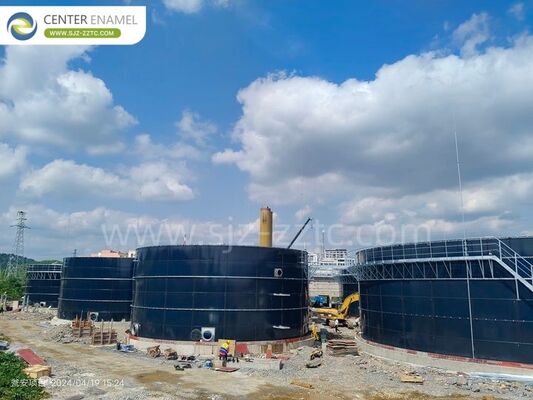
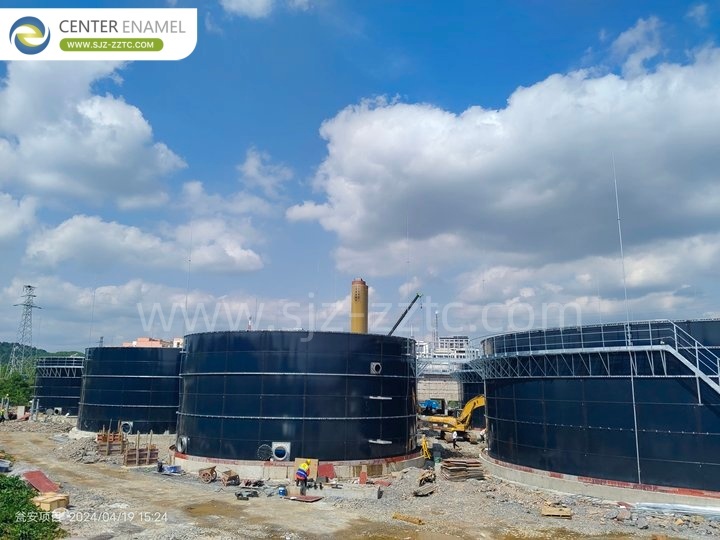
Caso 1: Progetto canadese di biogas
Dimensioni del serbatoio: φ8,4 × 7,2 m (H) 2 Unità
Volume totale: 798 m3
Anno di completamento: 2024
Caso 2: Progetto di biogas in Malesia
Dimensioni del serbatoio: φ22,93 × 12,325 m (H) 1 unità
Volume totale: 5.087 m3 1 unità
Anno di completamento: 2025
Per la fiorente industria suina del Myanmar, l'integrazione diTecnologia del biogasutilizzandoProcesso CSTR- eSerbatoi GFSLa Commissione ha presentato una proposta di regolamento che prevede una serie di misure di riduzione delle emissioni di gas di scarico.La vasta esperienza ingegneristica di Center Enamel consente ai proprietari di aziende agricole di rispettare le normative ambientali riducendo significativamente i costi energeticiConvertendo il letame di maiale in energia rinnovabile,Le aziende agricole del Myanmar possono raggiungere un'economia circolare sostenibile che protegga le risorse naturali della nazione e migliori la redditività operativa a lungo termineIl nostro track record globale, dalla Francia all'Indonesia, dimostra che le nostre soluzioni di stoccaggio modulari e resistenti alla corrosione sono la scelta ideale per qualsiasi condizione climatica.