-
Vetro fuso a serbatoi di acciaio (596)
-
carri armati di acciaio inossidabile (434)
-
La fusione ha legato i carri armati a resina epossidica (592)
-
Serbatoi in acciaio galvanizzato (321)
-
Tetti di alluminio della cupola (1336)
-
Serbatoi di stoccaggio delle acque reflue (232)
-
serbatoi di acciaio saldato (457)
-
Contenitori a pressione (295)
-
Digestore anaerobico (201)
-
Serbatoi di acqua industriali (349)
-
Serbatoi in acciaio rivestiti di vetro (180)
-
Serbatoi di acciaio serrati (389)
-
Serbatoio del fango (115)
-
Serbatoio del biogas (173)
-
Serbatoi di stoccaggio di lixiviazione (133)
-
Serbatoi di stoccaggio dell'acqua agricola (179)
-
Serbatoio dell'acqua di fuoco (166)
-
Silos di stoccaggio del grano (146)
-
Progetti di biogas (425)
-
Progetti di trattamento delle acque reflue (928)
-
Tetti a doppia membrana (223)

|
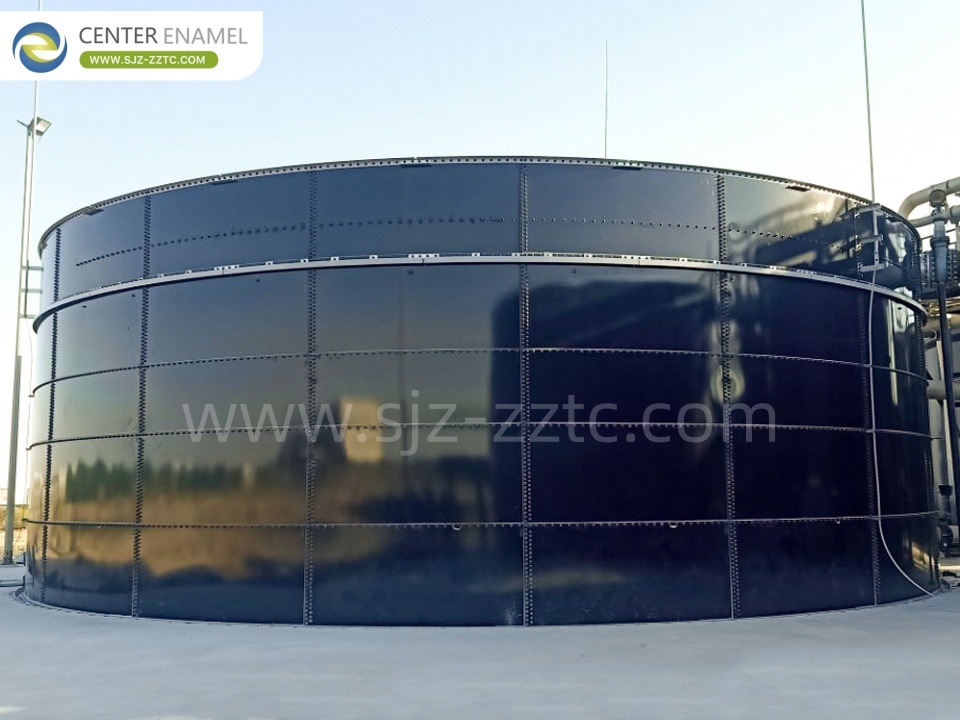
Soluzioni di biogas avanzate per il bagasse di canna da zucchero del Vietnam: serbatoi GFS + processo CSTR
| Luogo di origine: | Cina |
| Marca: | CEC TANKS |
| Certificazione: | ISO 9001:2008, AWWA D103 , OSHA , BSCI |
| Numero di modello: | W |
| Quantità di ordine minimo: | 1 set |
| Prezzo: | $5000~$20000 one set |
| Imballaggi particolari: | Polischiuma PE tra ciascuna due piastre di acciaio; pallet di legno e legno |
| Tempi di consegna: | 10-30 giorni dopo il deposito ricevuto |
| Termini di pagamento: | L/C, T/T |
| Capacità di alimentazione: | 60 set al mese |
|
Informazione dettagliata |
|||
| Luogo di origine | Cina | Marca | CEC TANKS |
|---|---|---|---|
| Certificazione | ISO 9001:2008, AWWA D103 , OSHA , BSCI | Numero di modello | W |
| Colore corpo serbatoio: | Verde scuro/personalizzabile | Integrità alla corrosione: | Eccellente |
| Spessore lamiere d'acciaio: | Da 3 mm a 12 mm, dipende dalla struttura del serbatoio | Resistenza chimica: | Eccellente |
| Dimensioni del pannello: | 2,4 milioni * 1,2 milioni | Facile da pulire: | Liscio, lucido, inerte, antiadesione |
| Evidenziare: | soluzioni di biogas per bagagli di canna da zucchero,Serbatoi GFS per il trattamento delle acque reflue,Produzione di biogas da processo CSTR |
||
Descrizione del prodotto
La fiorente industria dello zucchero del Vietnam è una pietra angolare dell’economia nazionale, ma la sua crescita ha introdotto una sfida ambientale critica: il massiccio accumulo di bagassa di canna da zucchero. Tradizionalmente, questo sottoprodotto fibroso viene gestito attraverso lo scarico a cielo aperto o l’incenerimento inefficiente, entrambi sempre più considerati pratiche insostenibili. Questi metodi convenzionali contribuiscono all’inquinamento atmosferico localizzato e alle emissioni di gas serra, sprecando al tempo stesso la biomassa che detiene un significativo potenziale energetico. Mentre il Vietnam accelera la sua transizione verso un futuro industriale sostenibile e sicuro dal punto di vista energetico, la gestione di questi residui organici in grandi volumi è diventata una priorità nazionale urgente. Il passaggio a tecnologie avanzate di termovalorizzazione è il passo essenziale per i produttori vietnamiti per convertire questo onere logistico in una risorsa energetica affidabile e rinnovabile.
Il riutilizzo della bagassa di canna da zucchero in biogas è un passo strategico verso un’economia industriale circolare. Attraverso la digestione anaerobica controllata, la lignina fibrosa e la cellulosa all’interno della bagassa vengono degradate in modo efficiente per produrre biogas ricco di metano di elevata purezza. Questa transizione offre un duplice vantaggio: stabilizza efficacemente i rifiuti organici, riducendo così in modo significativo l’impronta ambientale della produzione di zucchero, e crea una fonte di combustibile versatile e rinnovabile. Che venga utilizzato per il riscaldamento industriale in loco, la generazione di vapore o l’elettricità pulita, questo modello consente all’industria dello zucchero vietnamita di diversificare il proprio mix energetico, ridurre la dipendenza dai combustibili fossili importati e creare un’infrastruttura energetica decentralizzata e resiliente meno suscettibile alle fluttuazioni del mercato globale.
Center Enamel è impegnato a potenziare il settore delle energie rinnovabili del Vietnam attraverso competenze ingegneristiche personalizzate e progettazione di precisione. Con oltre 36 anni di esperienza progettuale globale, il nostro team di ingegneri realizza pacchetti di processi tecnici specificatamente calibrati sulle caratteristiche uniche dei residui agricoli come la bagassa di canna da zucchero. Andiamo oltre le apparecchiature generiche e standardizzate, collaborando a stretto contatto con gli sviluppatori locali per progettare sistemi su misura ottimizzati per un rendimento elevato, stabilità operativa e piena conformità normativa. Il nostro servizio completo, che copre tutto, dalle valutazioni iniziali di fattibilità alla progettazione strutturale finale, garantisce la massima resa e longevità del biogas, fornendo una solida base per progetti su misura per le esigenze specifiche del mercato vietnamita.
Al centro del nostro portafoglio tecnico c’è il processo CSTR (Continuous Stirred-Tank Reactor), una soluzione avanzata di trattamento anaerobico perfettamente adatta per materie prime agricole complesse. Questa tecnologia è progettata per gestire substrati con elevate concentrazioni organiche e un significativo contenuto di solidi. Utilizzando un dispositivo di agitazione meccanica a coppia elevata, progettato con precisione, il CSTR garantisce un'integrazione costante e completa della materia organica e dei microrganismi anaerobici. Questo ambiente di fermentazione uniforme elimina le zone morte all'interno del reattore, accelerando significativamente la degradazione di materiali organici complessi. Il risultato è una produzione di biogas stabile, prevedibile e di alta qualità per tutta la vita operativa del progetto, garantendo un ritorno sull’investimento superiore.
Per un contenimento ottimale del biogas, Center Enamel utilizza serbatoi GFS (Glass-Fused-to-Steel) leader del settore. Questi serbatoi sono fabbricati attraverso un processo avanzato di cottura ad alta temperatura (820°C–930°C), creando un legame inerte e durevole che combina la resilienza strutturale dell'acciaio con l'impareggiabile resistenza alla corrosione del vetro. Se abbinato al nostro tetto a doppia membrana, il sistema diventa lo standard di riferimento per lo stoccaggio del biogas. Questa configurazione fornisce un'ermeticità essenziale per una gestione superiore degli odori e un'efficiente raccolta dei gas, mentre il design leggero e flessibile massimizza la capacità di stoccaggio verticale e semplifica la disposizione del sito: un vantaggio fondamentale per gli impianti industriali con vincoli di terreno.
Center Enamel offre un'ampia gamma di opzioni di copertura specializzate per soddisfare le esigenze funzionali e ambientali uniche di vari progetti:
- Tetto a cupola geodetica in alluminio:Combina ampie capacità di campata libera con elevata resistenza alla corrosione e assemblaggio rapido ed economico.
- Tetto in vetro fuso con acciaio:La scelta ideale per ambienti di contenimento pressurizzati in cui una rigorosa gestione degli odori è un requisito primario.
- Tetto della piattaforma in lega di alluminio:Una copertura economica e resistente agli agenti atmosferici, adatta a scenari in cui un'elevata tenuta all'aria non è una necessità funzionale.
- Tetto in acciaio inossidabile:Sapientemente realizzati per resistere agli ambienti chimici più aggressivi, garantendo affidabilità strutturale e prestazioni a lungo termine.
- Tetto in FRP:Un'opzione versatile ed economica disponibile sia con profilo a cupola che piatto, perfettamente adatta per lo stoccaggio agricolo o idrico standard.
Le operazioni di biogas ad alta efficienza richiedono un supporto meccanico integrato per garantire le massime prestazioni. Center Enamel fornisce una gamma completa di apparecchiature ausiliarie critiche:
- Contenitori di gas e membrane nere:Progettato per il contenimento sicuro, flessibile ed efficiente del biogas.
- Separatori solido-liquido:Fondamentale per razionalizzare il pretrattamento e la preparazione di materie prime organiche grezze complesse.
- Sistemi a torcia e pompe di sollevamento:Progettato per garantire la sicurezza ottimale del sito e una gestione efficiente dei fluidi durante il processo di digestione.
- Serbatoi di disidratazione e desolforazione:Componenti essenziali per la purificazione del biogas grezzo per soddisfare rigorosi standard di qualità per l'uso energetico industriale.
- Macchine per la disidratazione dei fanghi a vite:Costruito per gestire e ridurre il volume del digestato in modo efficiente per lo smaltimento sostenibile o il riutilizzo.
Center Enamel è un fornitore di servizi EPC (ingegneria, approvvigionamento e costruzione) dedicato al successo delle iniziative di biogas del Vietnam, offrendo una soluzione completa e unica:
- Servizio EPC completo:Forniamo la gestione dell'intero ciclo, dalla progettazione ingegneristica iniziale e l'approvvigionamento delle apparecchiature fino alla costruzione finale e alla messa in servizio.
- Pacchetti di processi personalizzati:Pacchetti di ingegneria su misura progettati specificamente per affrontare la composizione unica dei rifiuti organici presente nel mercato vietnamita.
- Fornitura di attrezzature premium:In qualità di leader del settore nella produzione di serbatoi GFS, forniamo l'infrastruttura robusta e affidabile necessaria per progetti di energia rinnovabile su larga scala.
- Conformità internazionale:Tutte le nostre soluzioni aderiscono a rigorosi parametri di qualità globali, tra cui ISO9001 e EN28765, garantendo che ogni progetto sia realizzato secondo i più elevati standard di sicurezza e durata.
Il percorso del Vietnam verso un futuro industriale sostenibile è intrinsecamente legato alla riconversione intelligente delle sue risorse agricole. Adottando il serbatoio GFS integrato e la tecnologia CSTR di Center Enamel, gli stabilimenti vietnamiti possono convertire la problematica bagassa di canna da zucchero in una risorsa energetica di alto valore. Forniamo la competenza, l'eccellenza ingegneristica e le attrezzature specializzate necessarie per portare avanti gli obiettivi nazionali in materia di energia rinnovabile. Attraverso la nostra partnership, aiutiamo a costruire infrastrutture resilienti che riducono al minimo l’impatto ambientale offrendo allo stesso tempo vantaggi economici a lungo termine, gettando solide basi per un futuro più pulito e più sicuro dal punto di vista energetico.
-
In che modo la tecnologia Glass-Fused-to-Steel garantisce la sicurezza nell'ambiente tropicale e ad alto tasso di umidità del Vietnam?La superficie in vetro inerte e non porosa dei nostri serbatoi GFS funge da scudo permanente, fornendo una resistenza superiore all'umidità e prevenendo l'ossidazione o la ruggine comunemente associate allo stoccaggio standard di acciaio o cemento nei climi tropicali.
-
Queste soluzioni per il biogas possono essere integrate nell’infrastruttura elettrica esistente dello zuccherificio?Sì, il nostro servizio EPC include una pianificazione completa dell'integrazione del sistema per garantire che i sistemi di conversione da biogas in energia siano perfettamente compatibili con la rete elettrica esistente e i requisiti di scambio di calore della vostra struttura.
-
Quale formazione operativa fornisce Center Enamel agli operatori degli impianti locali?Offriamo ampio supporto post-messa in servizio e formazione in loco per il vostro team tecnico, coprendo tutti gli aspetti della gestione del processo CSTR, della manutenzione delle apparecchiature ausiliarie e dei protocolli di sicurezza per garantire un funzionamento efficiente del progetto a lungo termine.