-
Vetro fuso a serbatoi di acciaio (596)
-
carri armati di acciaio inossidabile (434)
-
La fusione ha legato i carri armati a resina epossidica (592)
-
Serbatoi in acciaio galvanizzato (321)
-
Tetti di alluminio della cupola (1316)
-
Serbatoi di stoccaggio delle acque reflue (231)
-
serbatoi di acciaio saldato (457)
-
Contenitori a pressione (295)
-
Digestore anaerobico (201)
-
Serbatoi di acqua industriali (349)
-
Serbatoi in acciaio rivestiti di vetro (180)
-
Serbatoi di acciaio serrati (390)
-
Serbatoio del fango (115)
-
Serbatoio del biogas (173)
-
Serbatoi di stoccaggio di lixiviazione (133)
-
Serbatoi di stoccaggio dell'acqua agricola (179)
-
Serbatoio dell'acqua di fuoco (166)
-
Silos di stoccaggio del grano (146)
-
Progetti di biogas (425)
-
Progetti di trattamento delle acque reflue (788)
-
Tetti a doppia membrana (223)

|
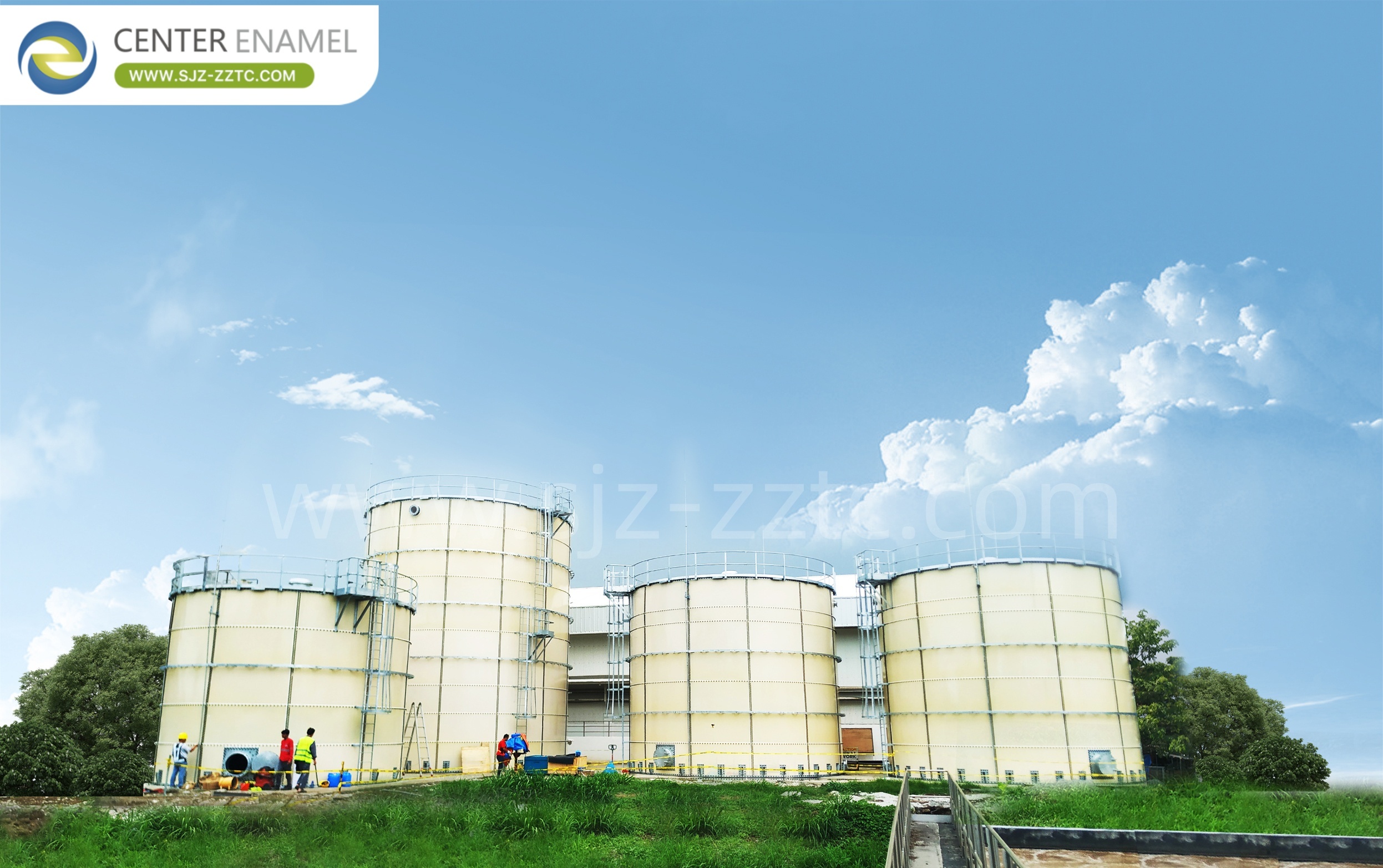
Serbatoi avanzati di GFS e processo di USR per il progetto di trattamento delle acque reflue municipali in India
| Luogo di origine: | Cina |
| Marca: | CEC TANKS |
| Certificazione: | ISO 9001:2008, AWWA D103 , OSHA , BSCI |
| Numero di modello: | W |
| Quantità di ordine minimo: | 1SET |
| Prezzo: | $5000~$20000 one set |
| Imballaggi particolari: | Polischiuma PE tra ciascuna due piastre di acciaio; pallet di legno e legno |
| Tempi di consegna: | 10-30 giorni dopo il deposito ricevuto |
| Termini di pagamento: | L/C, T/T |
| Capacità di alimentazione: | 60 set al mese |
|
Informazione dettagliata |
|||
| Luogo di origine | Cina | Marca | CEC TANKS |
|---|---|---|---|
| Certificazione | ISO 9001:2008, AWWA D103 , OSHA , BSCI | Numero di modello | W |
| Colore corpo serbatoio: | Verde scuro/personalizzabile | Integrità alla corrosione: | Eccellente |
| Spessore lamiere d'acciaio: | Da 3 mm a 12 mm, dipende dalla struttura del serbatoio | Resistenza chimica: | Eccellente |
| Dimensioni del pannello: | 2,4 milioni * 1,2 milioni | Facile da pulire: | Liscio, lucido, inerte, antiadesione |
| Evidenziare: | Serbatoi GFS per il trattamento delle acque reflue,Acque reflue urbane di processo USR,Progetto di trattamento delle acque reflue in India |
||
Descrizione del prodotto
Serbatoi GFS avanzati e processo USR per il progetto di trattamento delle acque reflue municipali dell'India
Le acque reflue municipali rappresentano una delle principali sfide ambientali per i centri urbani in rapida crescita, generando quotidianamente volumi immensi e complessi di rifiuti liquidi. Le fonti primarie di acque reflue municipali comprendono le acque reflue domestiche provenienti da nuclei residenziali, le acque grigie provenienti da stabilimenti commerciali, strutture istituzionali e il deflusso delle acque piovane urbane. Nelle regioni metropolitane altamente popolate, queste enormi reti municipali generano ogni giorno milioni di litri di acque nere, rifiuti di cucina e acque di lavaggio municipali.
Poiché le acque reflue urbane grezze possiedono un contenuto di acqua eccezionalmente elevato e sono fortemente cariche di solidi organici volatili, sostanze sospese, nutrienti chimici e agenti patogeni attivi, subiscono una rapida decomposizione microbica se non trattate. Questa rapida putrefazione porta a gravi emissioni di odori urbani, infestazioni di parassiti e carichi organici pericolosi. Senza un adeguato intervento ingegneristico, questi elementi possono facilmente contaminare i corsi d’acqua superficiali locali e le sensibili falde acquifere sotterranee, rendendo la gestione immediata ed efficace dei rifiuti urbani una priorità fondamentale per la pianificazione ambientale sostenibile.
Sfide del trattamento delle acque reflue municipali in India
Mentre l’India sperimenta un’urbanizzazione e una concentrazione di popolazione senza precedenti nei suoi principali centri metropolitani, la nazione si trova ad affrontare ostacoli ambientali e logistici distinti nella gestione della sua crescente impronta di rifiuti urbani. Lo smaltimento tradizionale dei rifiuti e le infrastrutture obsolete si affidano da tempo a canali aperti sovraccarichi, lagune di stoccaggio non rivestite o allo scarico diretto dei fiumi per disperdere gli effluenti municipali. Tuttavia, nel clima rigido dell’India, caratterizzato da temperature estive intense e forti monsoni stagionali, i liquami municipali freschi si degradano quasi istantaneamente, generando gravi problemi incontrollati di controllo degli odori e problemi di igiene pubblica vicino alle dense zone residenziali.
Inoltre, gli elevati volumi di azoto, fosforo e l’elevata domanda chimica di ossigeno (COD) presenti nelle acque reflue grezze mettono a dura prova le capacità di assorbimento del suolo locale e i limiti di assimilazione naturale. Durante i forti acquazzoni tropicali e le forti inondazioni monsoniche, questi rifiuti urbani non stabilizzati si riversano rapidamente nei bacini fluviali critici, come le reti fluviali del Gange e dello Yamuna, provocando una grave eutrofizzazione dei corsi d’acqua naturali e minacciando gli ecosistemi acquatici vitali. Con la disponibilità di terreno che diventa estremamente limitata attorno ai confini urbani e le normative ambientali nazionali che si restringono sugli standard di scarico, i tradizionali sistemi a laguna aperta si stanno rivelando una strategia insostenibile a lungo termine. Di conseguenza, le autorità municipali indiane stanno promuovendo in modo aggressivo un’economia circolare, cercando alternative tecnologiche avanzate per deviare le frazioni organiche pesanti lontano dai bacini idrografici sensibili.
Processo di trattamento delle acque reflue municipali
Il percorso ecologicamente più fattibile e redditizio per il trattamento delle acque reflue urbane e dei fanghi di depurazione primari è il trattamento biologico avanzato abbinato alla digestione anaerobica (AD), un processo che converte senza soluzione di continuità pesanti carichi organici in energia verde pulita. All'interno di un ambiente anaerobico rigorosamente controllato e privo di ossigeno, i microrganismi specializzati scompongono sistematicamente le proteine complesse, gli acidi grassi volatili e le fibre organiche resistenti presenti nei fanghi di depurazione.
Questa degradazione biologica in più fasi, costituita dalle fasi sequenziali di idrolisi, acidogenesi, acetogenesi e metanogenesi, converte infine i solidi volatili in biogas rinnovabile, composto principalmente da metano (CH4) e anidride carbonica (CO2). Il biogas catturato può essere depurato e utilizzato per generare elettricità verde, produrre calore di processo per le operazioni degli impianti di trattamento o essere trasformato in biometano. Allo stesso tempo, i residui di digestato ricchi di sostanze nutritive lasciati dopo il ciclo di digestione possono essere trasformati in modo sicuro in fertilizzanti organici stabilizzati e di alta qualità o materiali biosolidi, chiudendo con successo il ciclo municipale dall’azienda agricola all’energia.
Vantaggi dei progetti municipali di trattamento delle acque reflue in India
L'implementazione di progetti dedicati al trattamento delle acque reflue municipali e al biogas dei fanghi offre vantaggi strategici multidimensionali in linea con gli obiettivi nazionali di sostenibilità e energia verde dell'India:
Mitigazione dell'inquinamento dei fiumi e dei corsi d'acqua:Contenendo e trattando gli effluenti grezzi all’interno di reattori chiusi, i progetti comunali impediscono al deflusso delle acque reflue ricche di sostanze nutritive di contaminare bacini fluviali vitali ed ecosistemi sensibili.
Riduzione delle emissioni di gas serra:La digestione anaerobica cattura efficacemente le emissioni nocive di metano che altrimenti sfuggirebbero direttamente nell’atmosfera dalle lagune fognarie a cielo aperto, sostenendo attivamente gli obiettivi nazionali di riduzione del carbonio.
Generazione di energia rinnovabile in loco:L’elettricità pulita e il calore recuperati dal biogas integrano le reti degli impianti di trattamento municipali, riducendo la dipendenza dalla rete, riducendo i costi operativi e migliorando la resilienza energetica della struttura.
Promozione del recupero delle risorse circolari:La trasformazione dei fanghi di depurazione grezzi e ricchi di agenti patogeni in fertilizzanti organici stabilizzati consente la sostituzione dei fertilizzanti chimici con alternative ecologiche e ricche di nutrienti.
Tecnologie anaerobiche e biologiche specializzate: USR, CSTR, UASB, IC e A2O
La scelta del processo tecnico appropriato dipende in larga misura dai solidi sospesi totali (TSS) e dalla composizione organica dello specifico flusso di acque reflue e fanghi urbani:
USR (reattore solido a flusso ascendente):Progettati specificatamente per flussi ad alto contenuto di solidi come i fanghi urbani primari, i reattori USR massimizzano il tempo di ritenzione dei solidi, consentendo la completa degradazione dei solidi organici complessi e dei residui densi.
CSTR (reattore a serbatoio agitato continuo):È la tecnologia ideale per la movimentazione di fanghi di depurazione densi o matrici di co-digestione ad alto contenuto di solidi. I suoi robusti sistemi di agitazione meccanica prevengono la formazione di croste e la stratificazione solida, garantendo un contatto ottimale tra solidi volatili e biomassa microbica.
UASB (Coperta di fanghi anaerobici a riflusso):Ideale per le fasi di trattamento diretto delle acque reflue urbane in fase liquida. Si basa su una densa coltre di fango granulare per ridurre rapidamente i livelli elevati di domanda chimica di ossigeno (COD) in grandi volumi di liquidi.
Reattore IC (circolazione interna):Un sistema anaerobico ad alta efficienza e ad alta velocità caratterizzato da un ingombro alto e poco ingombrante. È perfetto per il trattamento di enormi volumi di acque reflue organiche in fase liquida con un utilizzo minimo del suolo.
Processo A2O (Anaerobico-Anossico-Ossico):Una configurazione di trattamento biologico di prima qualità progettata specificamente per i sistemi municipali per ottenere la rimozione simultanea di carbonio organico (COD), azoto e fosforo attraverso zone ambientali sequenziali.
Vantaggi dei serbatoi GFS nei progetti di trattamento delle acque reflue municipali dell'India
I serbatoi Glass-Fused-to-Steel (GFS) brevettati di Center Enamel rappresentano la soluzione di contenimento premium per la digestione anaerobica e le infrastrutture di trattamento delle acque reflue in ambienti esigenti:
Protezione dalla corrosione superiore:La fusione chimica di vetro e acciaio crea un rivestimento inerte che resiste completamente agli acidi organici aggressivi, ai prodotti chimici municipali e ai gas corrosivi di idrogeno solforato (H2S) generati durante la digestione dei rifiuti.
Resiste a gravi forze sismiche e ambientali:Progettato appositamente per resistere a climi tropicali rigidi, forti monsoni stagionali, elevata umidità e carichi strutturali estremi come i terremoti, garantendo sicurezza operativa a lungo termine.
Impronta spaziale ridotta al minimo e costruzione rapida:La struttura modulare e imbullonata consente di assemblare rapidamente questi reattori all'interno di siti urbani attivi senza richiedere estese zone di costruzione o pesanti getti di cemento.
Eccezionale qualità ingegneristica:Prodotti in condizioni di fabbrica rigorose, i serbatoi GFS offrono una durata operativa superiore a 30 anni con una manutenzione strutturale continua minima.
Perché collaborare con Center Enamel?
Center Enamel si distingue come uno dei principali appaltatori EPC e produttori di serbatoi di stoccaggio a livello mondiale, apportando competenze senza precedenti ai progetti tecnologici sulle acque reflue municipali e sul biogas:
Funzionalità EPC chiavi in mano:Forniamo la gestione dell'intero ciclo di vita, che comprende analisi di laboratorio dettagliate, progettazione personalizzata di processi biologici e fisici, produzione di serbatoi GFS, sistemi di controllo automatizzati avanzati e supporto completo per la messa in servizio.
Soluzioni ingegneristiche su misura:Ogni soluzione per le acque reflue e il biogas è ottimizzata in base alle caratteristiche specifiche di umidità, fibre e sostanze chimiche del flusso di rifiuti urbani.
Competenza tecnica senza pari:Decenni di innovazione nei processi anaerobici avanzati come USR, CSTR e UASB, insieme ai sistemi aerobici, garantiscono la massima resa di biogas e un funzionamento altamente affidabile del trattamento degli effluenti.
Conformità alla qualità globale:I nostri sistemi sono conformi a rigorosi standard internazionali di progettazione e protezione ambientale, garantendo una perfetta integrazione in rigidi quadri normativi.
Storie di successo globali comprovate
Center Enamel vanta una comprovata esperienza nell'esecuzione di progetti su larga scala per il trattamento delle acque reflue industriali, municipali e organiche in tutto il mondo:
caso1:Progetto di trattamento delle acque reflue municipali saudite
Dimensioni serbatoio: φ24,06 m × 4,85 m (H) (5 unità)
Volume totale: 11.020 m³
Anno di completamento: 2024
Caso 2:Progetto municipale indonesiano per l'acqua antincendio
Applicazione: stoccaggio dell'acqua antincendio
Luogo del progetto: Indonesia
Dimensioni serbatoio: φ7,64 m × 34,8 m (H) (1 unità)
Volume totale del serbatoio: 1.594 m³
Anno di completamento: 2018
Accelerare la diversificazione dei rifiuti urbani e la protezione ambientale richiede soluzioni ingegneristiche innovative e robuste. Utilizzando tecnologie avanzate per la digestione anaerobica e le acque reflue, come il processo USR ad alto contenuto di solidi, ospitato all'interno di serbatoi GFS (Glass-Fused-to-Steel) leader del settore, i moderni servizi urbani possono trasformare i fanghi di depurazione e le acque reflue da un peso ambientale in un flusso affidabile di energia pulita e verde. La collaborazione con un appaltatore EPC esperto come Center Enamel garantisce che le imprese municipali raggiungano una stabilità operativa ottimale, massimizzino il recupero delle risorse e costruiscano basi resilienti per un’economia veramente circolare.