-
Vetro fuso a serbatoi di acciaio (596)
-
carri armati di acciaio inossidabile (434)
-
La fusione ha legato i carri armati a resina epossidica (592)
-
Serbatoi in acciaio galvanizzato (321)
-
Tetti di alluminio della cupola (1316)
-
Serbatoi di stoccaggio delle acque reflue (231)
-
serbatoi di acciaio saldato (457)
-
Contenitori a pressione (295)
-
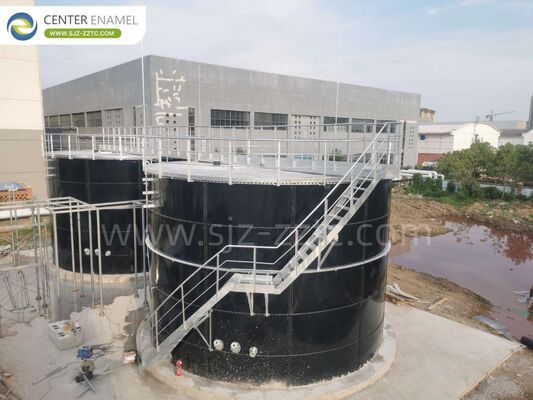
Digestore anaerobico (201)
-
Serbatoi di acqua industriali (349)
-
Serbatoi in acciaio rivestiti di vetro (180)
-
Serbatoi di acciaio serrati (390)
-
Serbatoio del fango (115)
-
Serbatoio del biogas (173)
-
Serbatoi di stoccaggio di lixiviazione (133)
-
Serbatoi di stoccaggio dell'acqua agricola (179)
-
Serbatoio dell'acqua di fuoco (166)
-
Silos di stoccaggio del grano (146)
-
Progetti di biogas (425)
-
Progetti di trattamento delle acque reflue (788)
-
Tetti a doppia membrana (223)

|
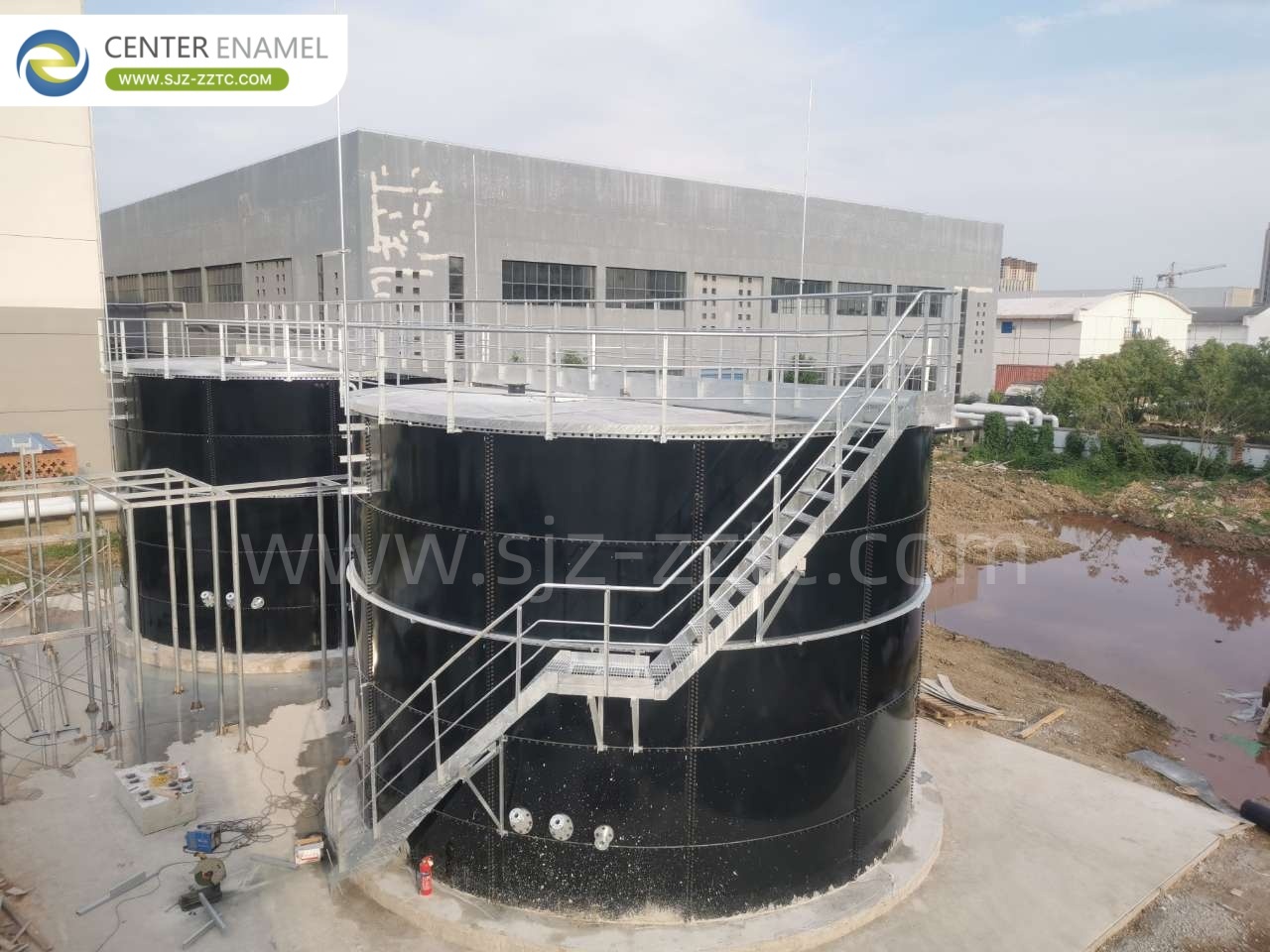
Tecnologia avanzata del biogas per i progetti di biogas per la silatura della Malesia
| Luogo di origine: | Cina |
| Marca: | CEC TANKS |
| Certificazione: | ISO 9001:2008, AWWA D103 , OSHA , BSCI |
| Numero di modello: | W |
| Quantità di ordine minimo: | 1SET |
| Prezzo: | $5000~$20000 one set |
| Imballaggi particolari: | Polischiuma PE tra ciascuna due piastre di acciaio; pallet di legno e legno |
| Tempi di consegna: | 10-30 giorni dopo il deposito ricevuto |
| Termini di pagamento: | L/C, T/T |
| Capacità di alimentazione: | 60 set al mese |
|
Informazione dettagliata |
|||
| Luogo di origine | Cina | Marca | CEC TANKS |
|---|---|---|---|
| Certificazione | ISO 9001:2008, AWWA D103 , OSHA , BSCI | Numero di modello | W |
| Colore corpo serbatoio: | Verde scuro/personalizzabile | Integrità alla corrosione: | Eccellente |
| Spessore lamiere d'acciaio: | Da 3 mm a 12 mm, dipende dalla struttura del serbatoio | Resistenza chimica: | Eccellente |
| Dimensioni del pannello: | 2,4 milioni * 1,2 milioni | Facile da pulire: | Liscio, lucido, inerte, antiadesione |
| Evidenziare: | tecnologia del biogas per la paglia di insilatura,Progetti di biogas per la setacciatura,Progetti di trattamento delle acque reflue da biogas |
||
Descrizione del prodotto
Tecnologia avanzata del biogas per progetti di biogas da paglia di insilato in Malesia
Negli ultimi anni, la Malesia ha costantemente accelerato le sue iniziative di energia rinnovabile e di bioeconomia verde, guidate da strategie ambientali progressiste e obiettivi nazionali di riduzione del carbonio. Essendo un Paese profondamente radicato in fiorenti settori agricoli, diversificare l’utilizzo della biomassa è diventato un pilastro essenziale per lo sviluppo sostenibile a lungo termine. L’implementazione della tecnologia del biogas mirata a convertire i residui colturali in bioenergia pulita rappresenta una strategia indispensabile per stabilizzare la domanda energetica municipale, garantire una produzione coerente di energia da biogas e frenare le emissioni di gas serra dell’agricoltura.
La paglia da insilato, una risorsa agricola sempre più vitale, rappresenta un’eccezionale opportunità per la trasformazione localizzata dei rifiuti in energia. Questo articolo offre una panoramica completa della coltivazione della paglia da insilato e delle sue applicazioni emergenti in Malesia, analizzando la sequenza biologica della produzione anaerobica di metano. Inoltre, descrive in dettaglio i principali processi anaerobici, sottolineando il robusto processo CSTR, ed esplora come i serbatoi GFS (Glass-Fused-to-Steel) di Center Enamel e i pacchetti di ingegneria chiavi in mano consentono alle parti interessate regionali di creare progetti di biomassa ad alta efficienza ed economicamente gratificanti.
Panoramica e applicazioni della coltivazione della paglia da insilato in Malesia
La coltivazione e la raccolta della paglia da insilato stanno registrando progressi costanti in tutta la Malesia, sostenuti dai fertili terreni arabili del paese e dal clima agricolo tropicale favorevole. Essendo un residuo organico altamente disponibile e ricco di sostanze nutritive raccolto dalle principali operazioni agricole, la paglia da insilato funge da materia prima ideale per gli sviluppi bioenergetici su larga scala.
Al di là della sua tradizionale e limitata applicazione come foraggio localizzato per il bestiame nei settori lattiero-caseario e bovino, la paglia per insilato è sempre più riconosciuta come una materia prima industriale di alto valore. Il suo massiccio contenuto lignocellulosico lo rende un candidato eccezionale per le centrali elettriche decentralizzate di termovalorizzazione. Reindirizzando questi abbondanti residui colturali in strutture specializzate di digestione anaerobica, le regioni rurali e agricole possono trasformare efficacemente i rifiuti agricoli localizzati in preziosa energia pulita, massimizzando la produzione economica del settore agricolo.
Come la paglia da insilato si trasforma in biogas: la sequenza biologica
La conversione biologica della paglia dell’insilato in biogas ricco di metano avviene attraverso la digestione anaerobica, una sequenza biologica sequenziale in cui colture batteriche specializzate scompongono la materia organica complessa in un ambiente completamente privo di ossigeno. Questo percorso biochimico opera attraverso quattro fasi sequenziali:
Idrolisi:Le fibre complesse di cellulosa e le strutture lignocellulosiche nella paglia dell'insilato vengono scomposte in zuccheri semplici.
Acidogenesi:I microrganismi produttori di acidi fermentano questi composti semplici in acidi grassi volatili (VFA).
Acetogenesi:I batteri acetogeni convertono successivamente i VFA in acido acetico, idrogeno e anidride carbonica.
Metanogenesi:Nella fase finale, gli archaea metanogenici altamente sensibili metabolizzano questi precursori, producendo un flusso di biogas ad alto rendimento pronto per le applicazioni energetiche del biogas.
Vantaggi strategici della tecnologia del biogas per la Malesia
L'implementazione di una tecnologia avanzata di biogas per la lavorazione della paglia da insilato agricolo offre molteplici vantaggi multidimensionali nei paesaggi agricoli ed energetici della Malesia:
Mitigazione della combustione dei raccolti:La conversione localizzata della paglia insilata elimina la pericolosa combustione all’aria aperta dei residui agricoli, mitigando in modo significativo l’inquinamento atmosferico stagionale e le emissioni di gas serra.
Stabilizzazione della rete tramite energia da biogas:La conversione dei rifiuti agricoli in elettricità offre una fornitura di energia rinnovabile stabile e prevedibile che smorza le fluttuazioni agricole stagionali e supporta le reti elettriche regionali.
Produzione di Biofertilizzanti Organici:Il processo di digestione anaerobica genera un sottoprodotto di digestato organico ricco di sostanze nutritive che può sostituire i fertilizzanti chimici sintetici, migliorando la sostenibilità dell’agricoltura regionale.
Tecnologie anaerobiche fondamentali: CSTR, UASB, USR e IC
La selezione di una configurazione di processo biologico adeguata è fondamentale per affrontare i carichi organici fluttuanti e gli elevati solidi sospesi tipici dei flussi di biomassa agricola. Center Enamel offre competenze ingegneristiche specializzate in quattro distinti processi anaerobici:
CSTR (reattore a serbatoio agitato continuo):Il processo CSTR rappresenta la scelta ottimale per la gestione dei flussi di rifiuti con frazioni ad alto contenuto solido o polpe organiche spesse come la paglia tritata per insilati. I suoi potenti sistemi di miscelazione meccanica mantengono un ambiente biologico completamente uniforme, sopprimendo con successo la formazione di schiuma superficiale e garantendo una conversione organica costante e ad alto tasso.
UASB (Coperta di fanghi anaerobici a riflusso):Un processo in fase liquida altamente reattivo, ideale per le acque reflue agricole predecantate. I rifiuti liquidi si muovono verso l'alto attraverso un letto di fanghi granulari denso e autoassemblato, degradando rapidamente il COD solubile all'interno di una configurazione dell'impianto salvaspazio.
USR (reattore solido a flusso ascendente):Specificamente configurato per gestire flussi di rifiuti con elevati solidi sospesi totali (SS). Questa configurazione funziona trattenendo la materia organica particellare all'interno della zona di digestione per un periodo prolungato, garantendo una scomposizione completa e una produzione di biogas superiore.
Reattore IC (circolazione interna):Un reattore profondo di nuova generazione, altamente efficiente, dotato di un circuito di circolazione interna integrato a doppio stadio, guidato dalla galleggiabilità del biogas autogenerato. Eccelle nella gestione di tassi di carico organico volumetrico eccezionalmente elevati, rendendolo adatto per impianti industriali ad alta capacità.
Vantaggi dei serbatoi GFS nei progetti di biogas con paglia di insilato in Malesia
Le prestazioni a lungo termine di qualsiasi progetto di termovalorizzazione industriale dipendono direttamente dall’affidabilità strutturale dei suoi principali reattori di contenimento. Center Enamel incorpora i suoi serbatoi Glass-Fused-to-Steel (GFS) di livello mondiale per fornire vantaggi prestazionali senza precedenti nelle impegnative condizioni tropicali e climatiche della Malesia:
Eccezionale protezione chimica e dalla corrosione:La degradazione anaerobica della biomassa organica genera acidi organici aggressivi e gas di idrogeno solforato ($H_2S$) altamente corrosivo. Il guscio di vetro inerte fuso sui nuclei del pannello in acciaio crea uno strato robusto e impermeabile che isola completamente l'acciaio dall'usura chimica, superando le prestazioni del cemento tradizionale o dell'acciaio saldato.
Adattabilità allo stress climatico:La Malesia sperimenta un intenso caldo tropicale, elevata umidità e forti stagioni dei monsoni. La costruzione modulare e imbullonata dei serbatoi GFS fornisce flessibilità strutturale, consentendo alle navi di resistere meglio agli agenti atmosferici fisici, agli spostamenti localizzati e all'espansione termica senza sviluppare crepe strutturali.
Installazione e logistica rapide in loco:Completamente prefabbricati in un ambiente di fabbrica controllato, i serbatoi GFS vengono consegnati in modo modulare al sito del progetto e montati rapidamente utilizzando martinetti idraulici specializzati. Ciò elimina le lunghe fasi di stagionatura del calcestruzzo e riduce il fabbisogno di manodopera localizzata, garantendo una rapida messa in servizio del progetto.
Impronta territoriale e scalabilità ottimizzate:Lo spazio può essere molto limitato nei layout agricoli commerciali. La configurazione del serbatoio verticale fornisce un vasto stoccaggio volumetrico occupando al tempo stesso un'area di terreno minima, facilitando l'aggiunta senza soluzione di continuità di unità modulari corrispondenti man mano che i volumi di lavorazione della biomassa in entrata si espandono nel tempo.
Perché collaborare con Center Enamel per progetti di biogas
Scegliere Center Enamel come appaltatore EPC specializzato offre ampi vantaggi operativi e tecnologici:
Pacchetti di ingegneria chiavi in mano:Forniamo un servizio completo per il ciclo di vita del progetto, che comprende la progettazione personalizzata di processi biologici, la produzione di serbatoi di alta qualità, l'approvvigionamento di apparecchiature di precisione, l'installazione rapida sul campo e la messa in servizio del sistema di automazione intelligente.
Progettazione di soluzioni tecniche su misura:Comprendendo che le proprietà della biomassa variano in base ai cicli di raccolta e alle scale di lavorazione, i nostri ingegneri esperti configurano ogni layout di impianto anaerobico per abbinare esattamente le proprietà dei rifiuti locali e i parametri ambientali regionali.
Suite di apparecchiature completamente integrate:Oltre a produrre serbatoi GFS di alta qualità, progettiamo e implementiamo componenti di processo cruciali, come contenitori di gas a doppia membrana, sistemi di miscelazione su misura e unità avanzate di purificazione del biogas.
Ampio track record di progetti globali:Con sistemi di stoccaggio e trattamento commissionati con successo in oltre 100 paesi, Center Enamel allinea efficacemente le innovazioni globali nel settore della termovalorizzazione con gli standard locali e i rigorosi mandati ambientali.
Casi di studio di progetti comprovati nel settore
Le capacità di progettazione globale e i solidi standard ingegneristici di Center Enamel sono dimostrati attraverso i principali impianti internazionali di termovalorizzazione:
Caso 1: Progetto canadese sul biogas
Dimensioni del serbatoio: Ø8,4 m × 7,2 m (H) — 2 unità
Volume totale: 798 m³
Data di completamento: 2024
Caso 2: Progetto sul biogas in Svezia
Dimensioni del serbatoio: Ø19,11 m × 19,2 m (H) — 1 unità
Volume totale: 5.510 m³
Data di completamento: 2024
Lo sviluppo di infrastrutture durevoli e moderne è essenziale poiché la Malesia intensifica la sua dedizione alla crescita economica verde, al rigoroso rispetto degli scarichi agricoli e al recupero sostenibile delle risorse. La costruzione di progetti specializzati di biogas per la lavorazione della paglia da insilato basati su soluzioni anaerobiche avanzate, il processo flessibile CSTR e serbatoi GFS di alta qualità fornisce ai produttori agricoli commerciali e alle autorità municipali un metodo altamente affidabile e redditizio per risolvere le sfide ambientali legate ai rifiuti.
Formando una partnership strategica con Center Enamel, le parti interessate municipali e industriali si assicurano l'accesso diretto a ingegneria di processo di livello mondiale, configurazioni anaerobiche collaudate sul campo e sistemi di contenimento resilienti. Questo approccio globale soddisfa facilmente i rigorosi mandati ambientali locali, riduce notevolmente le spese giornaliere per lo smaltimento dei rifiuti e produce una fonte affidabile di energia pulita da biogas, garantendo il raggiungimento con successo degli obiettivi di protezione ambientale a lungo termine della Malesia e di energia rinnovabile.