-
Vetro fuso a serbatoi di acciaio (596)
-
carri armati di acciaio inossidabile (434)
-
La fusione ha legato i carri armati a resina epossidica (592)
-
Serbatoi in acciaio galvanizzato (321)
-
Tetti di alluminio della cupola (1316)
-
Serbatoi di stoccaggio delle acque reflue (231)
-
serbatoi di acciaio saldato (457)
-
Contenitori a pressione (295)
-
Digestore anaerobico (201)
-
Serbatoi di acqua industriali (349)
-
Serbatoi in acciaio rivestiti di vetro (180)
-
Serbatoi di acciaio serrati (390)
-
Serbatoio del fango (115)
-
Serbatoio del biogas (173)
-
Serbatoi di stoccaggio di lixiviazione (133)
-
Serbatoi di stoccaggio dell'acqua agricola (179)
-
Serbatoio dell'acqua di fuoco (166)
-
Silos di stoccaggio del grano (146)
-
Progetti di biogas (425)
-
Progetti di trattamento delle acque reflue (788)
-
Tetti a doppia membrana (223)

|
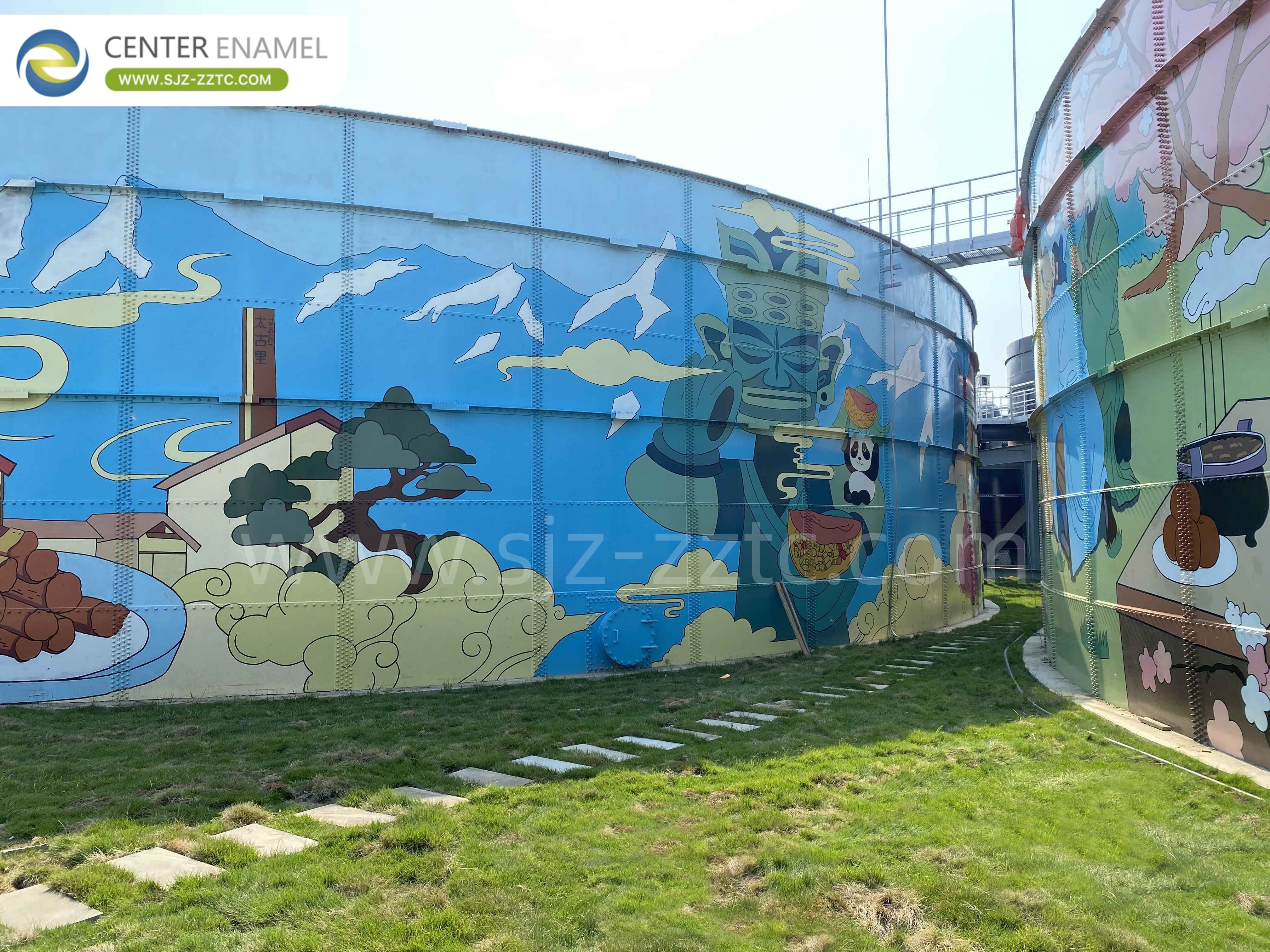
Soluzioni EPC avanzate per progetti di trattamento delle acque reflue nel settore delle bevande in Corea del Sud
| Luogo di origine: | Cina |
| Marca: | CEC TANKS |
| Certificazione: | ISO 9001:2008, AWWA D103 , OSHA , BSCI |
| Numero di modello: | W |
| Quantità di ordine minimo: | 1SET |
| Prezzo: | $5000~$20000 one set |
| Imballaggi particolari: | Polischiuma PE tra ciascuna due piastre di acciaio; pallet di legno e legno |
| Tempi di consegna: | 10-30 giorni dopo il deposito ricevuto |
| Termini di pagamento: | L/C, T/T |
| Capacità di alimentazione: | 60 set al mese |
|
Informazione dettagliata |
|||
| Luogo di origine | Cina | Marca | CEC TANKS |
|---|---|---|---|
| Certificazione | ISO 9001:2008, AWWA D103 , OSHA , BSCI | Numero di modello | W |
| Colore carrozzeria serbatoio: | Verde scuro / può essere personalizzato | Integrità della corrosione: | Eccellente |
| Spessore di piastre d'acciaio: | Da 3 mm a 12 mm, dipende dalla struttura del serbatoio | Resistenza chimica: | Eccellente |
| Dimensioni del pannello: | 2,4 m * 1,2 m | Facile da pulire: | Liscio, lucido, inerte, anti-adesione |
| Evidenziare: | Soluzioni EPC per il trattamento delle acque reflue,Progetti di trattamento delle acque reflue delle bevande,Soluzioni per il trattamento delle acque reflue in Corea del Sud |
||
Descrizione del prodotto
Soluzioni EPC avanzate per progetti di trattamento delle acque reflue delle bevande della Corea del Sud
L'industria delle bevande della Corea del Sud è un settore dinamico caratterizzato da una rapida innovazione e da una vasta gamma di prodotti.dal tè tradizionale e le bevande salutari ai marchi globali di bibite analcoliche e alle birrerie di fascia altaMentre la nazione intensifica la sua attenzione sulla gestione ESG (Environmental, Social, and Governance) e gli obiettivi di carbonio "Net Zero",I produttori di bevande si trovano di fronte a pressioni senza precedenti per ottimizzare il loro impatto ambientale. Per navigare nel complesso panorama normativo e ottenere un recupero efficiente delle risorse, collaborando con un espertoContraente EPCper gli studenti avanzatiProgetti di trattamento delle acque reflue delle bevandeL'industria è ora una priorità strategica per le imprese coreane.
Politiche ambientali e sfide in Corea del Sud
In Corea del Sud, le acque reflue industriali sono rigorosamente disciplinate dalla "Legge sulla conservazione dell'ambiente idrico." Il Ministero dell' Ambiente (MEE) ha implementato rigorosi standard per lo scarico nelle acque pubbliche e negli impianti di depurazione delle acque reflue.
Il settore delle bevande coreano si trova ad affrontare specifici ostacoli normativi e operativi:
Stringere i limiti di scarico: Le normative sulla domanda di ossigeno chimico (COD), la domanda di ossigeno biologico (BOD) e l'azoto totale (T-N) stanno diventando sempre più severe per proteggere il fiume Han e altre fonti idriche vitali.
Sistema di tassa di emissioni: La Corea del Sud utilizza un sistema di tariffe di scarico in cui le strutture vengono penalizzate per aver superato i limiti di inquinamento, rendendo un trattamento ad alta efficienza una necessità finanziaria.
Impiego dell'economia circolare: Il "Piano d'azione per l'economia circolare K" del governo incoraggia le industrie a passare dal semplice trattamento al recupero delle risorse, come la trasformazione dei rifiuti organici in biogas.
Fonti di produzione di acque reflue negli impianti di bevande
Le acque reflue nell'industria delle bevande sono un sottoprodotto di molteplici fasi ad alta intensità d'acqua.
Preparazione degli ingredienti: Il lavaggio e la lavorazione delle materie prime (frutta, cereali o vegetali) rilasciano solidi organici e zuccheri naturali.
Formulazione del prodotto: La miscelazione, la miscelazione e le fuoriuscite accidentali durante la transizione del sapore introducono elevate concentrazioni di sciroppi e dolcificanti.
Pulizia e igiene igienica (CIP)L'utilizzo di detersivi acidi e alcalini provoca effluenti con livelli di pH molto variabili.
Imballaggio e risciacquo: Il lavaggio delle bottiglie e le attrezzature igieniche generano volumi costanti di acque reflue contenenti residui di prodotti e agenti di pulizia.
Processo integrato di trattamento delle acque reflue delle bevande
Center Enamel, che agisce come leader mondialeContraente EPC, fornisce soluzioni chiavi in mano su misura per il mercato coreano attraverso un sofisticato processo in più fasi:
Pre-trattamento: lo screening meccanico e la rimozione dei granelli eliminano i grandi detriti per proteggere le attrezzature sensibili a valle.
Separazione primaria: Le unità di flottazione ad aria disciolta (DAF) rimuovono efficacemente grassi, oli e solidi sospesi essenziali per la produzione di succhi e latticini.
Condizionamento: Un serbatoio di regolazione bilancia i flussi e i livelli di pH, fornendo un flusso stabile per le fasi biologiche.
Trattamento anaerobico: La fase di base in cui gli organici ad alta resistenza vengono convertiti in biogas ricchi di metano in un ambiente privo di ossigeno.
Finitura aerobica: i processi post-anaerobici riducono ulteriormente gli inquinanti rimanenti per garantire che gli effluenti finali soddisfino o superino gli standard ambientali sudcoreani.
Tecnologie anaerobiche avanzate: CSTR, UASB, USR e IC
L'efficienza di unProgetto di trattamento delle acque reflue delle bevandeIl Centro Enamel è specializzato in quattro tecnologie anaerobiche di livello mondiale:
CSTR (Continue Stirred Tank Reactor): Migliore per i rifiuti altamente solidi come la polpa di frutta, utilizzando una agitazione meccanica per garantire una digestione stabile e un elevato rendimento di biogas.
UASB (Ufflow Anaerobic Sludge Blanket): una soluzione ad alta efficienza per i rifiuti in fase liquida che utilizza una densa copertura di fanghi granulari per ottenere una rimozione di COD superiore in un'impronta compatta.
USR (Upflow Solids Reactor): progettato specificamente per le acque reflue con un elevato contenuto di solidi in sospensione (SS), in modo da garantire la completa degradazione delle particelle organiche.
Reattore IC (circolazione interna): un reattore di "prossima generazione" che gestisce tassi di carico organici estremamente elevati con una stabilità superiore, ideale per i centri industriali di bevande e birrerie su larga scala.
L'eccellenza dei serbatoi GFS per lo stoccaggio delle acque reflue
Un elemento chiave di differenziazione per Center Enamel è l'uso di proprietariSerbatoi GFS(Vettura fusa in acciaio) come contenitori primari:
Resistenza alla corrosione superiore: La fusione di vetro e acciaio crea una superficie inerte resistente agli acidi organici e alle sostanze chimiche dure CIP comuni nell'industria delle bevande.
Installazione modulare rapida: La costruzione a bulloni è significativamente più veloce del cemento tradizionale, riducendo al minimo i tempi di fermo operativo per le fabbriche coreane occupate.
Lunga durata e scarsa manutenzione: progettati per una durata superiore a 30 anni,Serbatoi GFSrichiedono una manutenzione minima, anche in climi stagionali variabili.
Scalabilità: La struttura modulare consente un facile ampliamento o trasferimento in base all'aumento della capacità produttiva.
Perché scegliere Center Enamel come vostro appaltatore EPC?
Center Enamel fornisce un'esperienza "one-stop" dall'ingegneria iniziale alla messa in servizio finale:
Esperienza tecnica globaleCon progetti in oltre 100 paesi, portiamo le migliori pratiche internazionali sul mercato locale coreano.
Ingegneria personalizzata: I nostri sistemi sono progettati con precisione per soddisfare specifici profili delle acque reflue e gli standard K-ESG locali.
Integrazione completa del sistema: Forniamo un pacchetto senza soluzione di continuità che include serbatoi GFS, contenitori di gas a doppia membrana e controlli automatizzati avanzati.
Provato successo: studi di casi mondiali
Caso 1: Progetto di trattamento delle acque reflue delle bevande del Mali
Dimensioni del serbatoio: Φ6,11 × 4,8 m (H) 1 unità
Volume totale: 141 m3 1 unità
Data di installazione: 2024
Caso 2: Progetto per il trattamento delle acque reflue delle bevande in Perù
Dimensioni del serbatoio:
Φ5,35 × 4,8 m (H) 1 Unità
Φ6,11 × 6,6 m (H) 2 Unità
Φ8,41 × 9,0 m (H) 1 Unità
Φ7,64 × 5,4 m (H) ️ 1 unità
Volume totale: 1.241 m3
Data di installazione: 2025
Per i produttori di bevande in Corea del Sud, Center Enamel offre un chiaro percorso verso l'eccellenza normativa e il recupero delle risorse, trasformando le acque reflue in un bene sostenibile.