-
Vetro fuso a serbatoi di acciaio (596)
-
carri armati di acciaio inossidabile (434)
-
La fusione ha legato i carri armati a resina epossidica (592)
-
Serbatoi in acciaio galvanizzato (321)
-
Tetti di alluminio della cupola (1316)
-
Serbatoi di stoccaggio delle acque reflue (231)
-
serbatoi di acciaio saldato (457)
-
Contenitori a pressione (295)
-
Digestore anaerobico (201)
-
Serbatoi di acqua industriali (349)
-
Serbatoi in acciaio rivestiti di vetro (180)
-
Serbatoi di acciaio serrati (390)
-
Serbatoio del fango (115)
-
Serbatoio del biogas (173)
-
Serbatoi di stoccaggio di lixiviazione (133)
-
Serbatoi di stoccaggio dell'acqua agricola (179)
-
Serbatoio dell'acqua di fuoco (166)
-
Silos di stoccaggio del grano (146)
-
Progetti di biogas (425)
-
Progetti di trattamento delle acque reflue (788)
-
Tetti a doppia membrana (223)

|
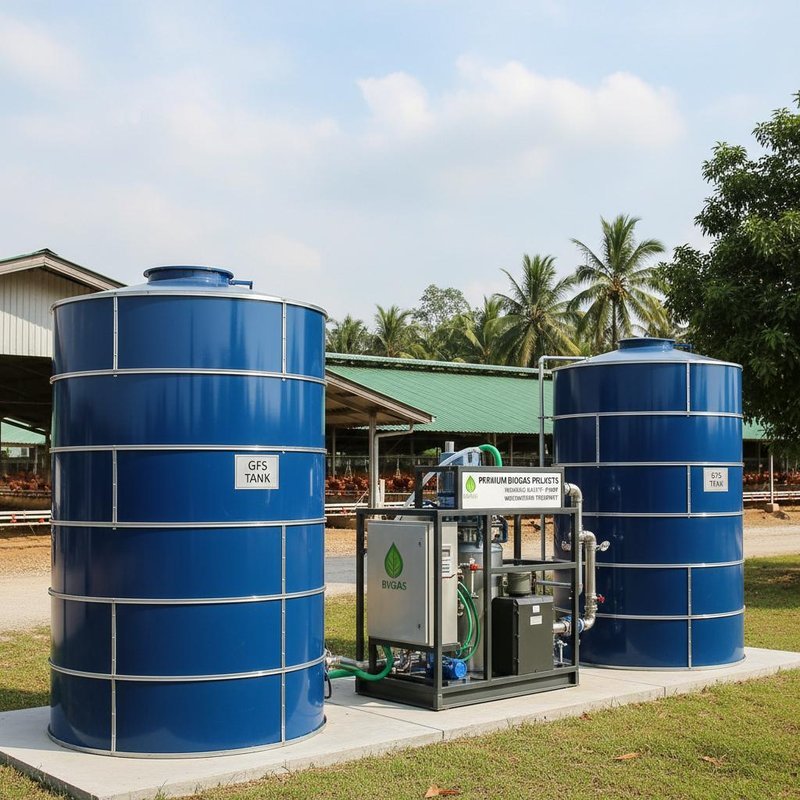
Progetti di Biogas Premium e Serbatoi GFS per il Trattamento delle Acque Reflue degli Allevamenti Avicoli in Indonesia
| Luogo di origine: | Cina |
| Marca: | CEC TANKS |
| Certificazione: | ISO 9001:2008, AWWA D103 , OSHA , BSCI |
| Numero di modello: | W |
| Quantità di ordine minimo: | 1SET |
| Prezzo: | $5000~$20000 one set |
| Imballaggi particolari: | Polischiuma PE tra ciascuna due piastre di acciaio; pallet di legno e legno |
| Tempi di consegna: | 10-30 giorni dopo il deposito ricevuto |
| Termini di pagamento: | L/C, T/T |
| Capacità di alimentazione: | 60 set al mese |
|
Informazione dettagliata |
|||
| Luogo di origine | Cina | Marca | CEC TANKS |
|---|---|---|---|
| Certificazione | ISO 9001:2008, AWWA D103 , OSHA , BSCI | Numero di modello | W |
| Colore carrozzeria serbatoio: | Verde scuro / può essere personalizzato | Integrità della corrosione: | Eccellente |
| Spessore di piastre d'acciaio: | Da 3 mm a 12 mm, dipende dalla struttura del serbatoio | Resistenza chimica: | Eccellente |
| Dimensioni del pannello: | 2,4 m * 1,2 m | Facile da pulire: | Liscio, lucido, inerte, anti-adesione |
| Evidenziare: | progetti di biogas per allevamenti avicoli,trattamento delle acque reflue con serbatoi GFS,Soluzioni di biogas per allevamenti avicoli in Indonesia |
||
Descrizione del prodotto
Premium Progetti di Biogas e Serbatoi GFS per l'Indonesia Trattamento delle Acque Reflue di Allevamenti Avicoli
In Indonesia, il settore agricolo è un pilastro vitale dell'economia nazionale, ma deve affrontare una sfida crescente nella gestione di enormi volumi di rifiuti zootecnici e organici. Mentre la nazione si muove verso un futuro più verde e cerca di diversificare il proprio mix energetico, l'implementazione di progetti su larga scala di Progetti di Biogas è diventata una necessità strategica. Utilizzando serbatoi ad alte prestazioni in Vetro Fuso sull'Acciaio (GFS) e sistemi professionali di stoccaggio del gas, gli allevamenti della regione stanno trasformando con successo le passività ambientali in risorse di energia rinnovabile.
Sfide del Biogas in Indonesia e Potenziale di Risorse
L'Indonesia possiede un potenziale significativo per l'energia da biomassa, supportato dai suoi estesi settori zootecnico e avicolo. Tuttavia, il percorso verso un efficiente Trattamento delle Acque Reflue Agricole è irto di ostacoli. Molti sistemi tradizionali di gestione dei rifiuti nella regione faticano con l'elevato carico organico del letame e la natura corrosiva degli effluenti.
La sfida principale risiede nella durabilità delle infrastrutture e nella protezione ambientale. I digestori convenzionali in cemento spesso presentano problemi di perdite e lunghi tempi di costruzione. Inoltre, il clima tropicale dell'Indonesia, caratterizzato da alta umidità e temperature, richiede una soluzione robusta e resistente agli acidi che possa essere implementata rapidamente per prevenire la contaminazione delle falde acquifere. In qualità di produttore leader di Serbatoi per Biogas, Center Enamel fornisce sistemi di contenimento di grado industriale che affrontano queste sfide specifiche, aiutando le agroimprese indonesiane a rispettare gli standard ambientali garantendo al contempo l'indipendenza energetica decentralizzata.
Il Processo di Produzione e Utilizzo del Biogas
La conversione delle acque reflue agricole in energia verde è un viaggio biologico a controllo di precisione. Basato su moderni standard industriali per il recupero di energia ad alta efficienza, il flusso di produzione integra diverse fasi critiche e attrezzature specializzate:
Raccolta del Materiale di Alimentazione: Letame zootecnico grezzo e acque di lavaggio dell'impianto vengono raccolti per garantire un carico organico stabile.
Digestione Anaerobica (Il Reattore): Il cuore del processo avviene nel reattore, tipicamente un serbatoio GFS. In un ambiente privo di ossigeno, microrganismi specializzati scompongono la materia organica per produrre metano.
Cattura e Stoccaggio del Gas: Il gas ricco di metano viene catturato da serbatoi per biogas ad alta integrità (come tetti a doppia membrana) montati direttamente sopra i serbatoi per mantenere una pressione costante.
Condizionamento e Utilizzo: Prima dell'uso, il biogas subisce disidratazione e desolforazione per rimuovere umidità e solfuri. Secondo il flusso di utilizzo sistematico, il gas trattato serve diverse funzioni primarie:
Generazione di Elettricità da Biogas: Il metano viene bruciato per alimentare generatori di elettricità.
Caldaie: La combustione diretta fornisce energia termica per impianti industriali o agricoli.
Sistemi di Torcia: Questi garantiscono la sicurezza rilasciando pressione quando la produzione di gas supera la capacità di stoccaggio o di utilizzo.
Gas Naturale Compresso (GNC): Il gas viene purificato a oltre il 95% di metano e compresso per essere utilizzato come combustibile di alta qualità.
Serbatoi GFS Center Enamel: Vantaggi Materiali e Fondamentali
Nell'ambiente impegnativo della digestione anaerobica, il materiale del reattore determina direttamente il successo a lungo termine del progetto. I serbatoi in Vetro Fuso sull'Acciaio (GFS) di Center Enamel sono lo standard industriale globale per le infrastrutture di biogas:
Resistenza Superiore alla Corrosione: Il rivestimento in vetro fuso a temperature superiori a 800°C crea una barriera inerte e non porosa immune ad alti livelli di ammoniaca e acidi organici.
Installazione Modulare Rapida: Il design imbullonato elimina complesse saldature in loco, consentendo un rapido assemblaggio anche in aree rurali remote.
Bassa Manutenzione e Durabilità: Progettati per condizioni estreme, i serbatoi GFS offrono una vita utile di oltre 30 anni con costi di manutenzione molto bassi rispetto al cemento.
Standard Internazionali: I nostri serbatoi soddisfano o superano gli standard di progettazione come AWWA D103-09 e ISO 28765, garantendo sicurezza e affidabilità in qualsiasi clima.
Processi Ingegnerizzati di Precisione: CSTR, USR e UASB
Per massimizzare la resa di gas da diversi carichi agricoli, Center Enamel supporta vari processi biologici anaerobici ad alta velocità:
CSTR (Completely Stirred Tank Reactor): Lo standard di riferimento per il letame animale denso. I miscelatori meccanici mantengono un ambiente omogeneo, prevenendo la sedimentazione dei solidi e massimizzando l'attività microbica.
USR (Upflow Solids Reactor): Specificamente ottimizzato per acque reflue con alte concentrazioni di solidi sospesi (SS), garantendo una digestione completa della materia organica complessa.
UASB (Upflow Anaerobic Sludge Blanket): Un processo ad alta efficienza ideale per effluenti liquidi, che raggiunge una rapida degradazione in un ingombro compatto facendo fluire le acque reflue attraverso una densa coperta di fanghi granulari.
Prestazioni Comprovate: Eccellenza Infrastrutturale Globale
La tecnologia di Center Enamel è verificata da progetti ad alte prestazioni in diversi climi e standard ambientali.
1. Progetto di Biogas da Allevamento Suino a Pechino
Questo progetto dimostra l'efficienza della tecnologia anaerobica ad alta velocità in un moderno contesto agricolo urbano.
Data di Installazione: 2020.
Capacità di Gestione Giornaliera: 580 metri cubi al giorno.
Processo di Trattamento: Utilizza il UASB(Upflow Anaerobic Sludge Blanket) accoppiato con AOAO(Anaerobic-Oxic-Anaerobic-Oxic) per la rimozione avanzata dei nutrienti.
2. Progetto di Biogas in Svezia
Questo caso internazionale evidenzia la versatilità e l'affidabilità delle infrastrutture di Center Enamel nel mercato europeo.
Campo di Applicazione: Produzione di biogas.
Luogo del Progetto: Svezia.
Attrezzatura: Utilizzo di serbatoi GFS premium come reattori primari per garantire l'integrità strutturale a lungo termine in un clima freddo.
Conclusione: Collaborare per un Futuro più Verde
Per gli operatori agricoli in Indonesia e in tutto il mondo, la transizione verso una gestione sostenibile dei rifiuti è sia una responsabilità ambientale che un'opportunità economica. Combinando la resilienza strutturale dei Serbatoi GFS con la Tecnologia Avanzata del Biogas, Center Enamel (Zhengzhong Technology) fornisce una soluzione completa per il Trattamento delle Acque Reflue Agricole. Con oltre 30 anni di esperienza e progetti in più di 100 paesi, ci dedichiamo ad aiutare gli allevamenti a trasformare i rifiuti agricoli in un futuro energetico sostenibile.