-
Vetro fuso a serbatoi di acciaio (596)
-
carri armati di acciaio inossidabile (434)
-
La fusione ha legato i carri armati a resina epossidica (592)
-
Serbatoi in acciaio galvanizzato (321)
-
Tetti di alluminio della cupola (1316)
-
Serbatoi di stoccaggio delle acque reflue (231)
-
serbatoi di acciaio saldato (457)
-
Contenitori a pressione (295)
-
Digestore anaerobico (201)
-
Serbatoi di acqua industriali (349)
-
Serbatoi in acciaio rivestiti di vetro (180)
-
Serbatoi di acciaio serrati (390)
-
Serbatoio del fango (115)
-
Serbatoio del biogas (173)
-
Serbatoi di stoccaggio di lixiviazione (133)
-
Serbatoi di stoccaggio dell'acqua agricola (179)
-
Serbatoio dell'acqua di fuoco (166)
-
Silos di stoccaggio del grano (146)
-
Progetti di biogas (425)
-
Progetti di trattamento delle acque reflue (788)
-
Tetti a doppia membrana (223)

|
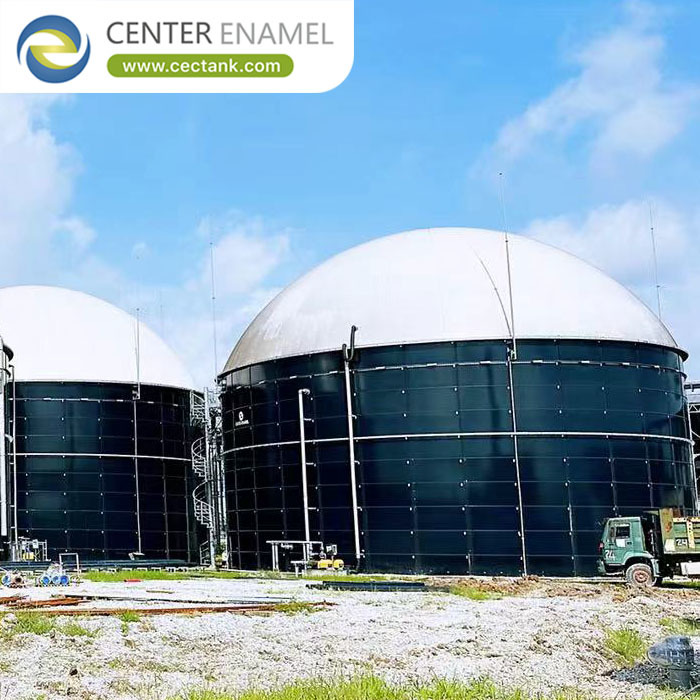
Massimizzare il rendimento del biogas: la guida definitiva per i digestori agricoli GFS
| Luogo di origine: | Cina |
| Marca: | CEC TANKS |
| Certificazione: | ISO 9001:2008, AWWA D103 , OSHA , BSCI |
| Numero di modello: | W |
| Quantità di ordine minimo: | 1SET |
| Prezzo: | $5000~$20000 one set |
| Imballaggi particolari: | Polischiuma PE tra ciascuna due piastre di acciaio; pallet di legno e legno |
| Tempi di consegna: | 10-30 giorni dopo il deposito ricevuto |
| Termini di pagamento: | L/C, T/T |
| Capacità di alimentazione: | 60 set al mese |
|
Informazione dettagliata |
|||
| Luogo di origine | Cina | Marca | CEC TANKS |
|---|---|---|---|
| Certificazione | ISO 9001:2008, AWWA D103 , OSHA , BSCI | Numero di modello | W |
| Materiale del serbatoio: | Vetro fuso in acciaio | Fondazione: | Acciaio fuso in cemento o vetro |
| Spessore di piastre d'acciaio: | Da 3 mm a 12 mm, dipende dalla struttura del serbatoio | Dimensioni del pannello: | 2,4 m * 1,2 m |
| Facile da pulire: | Liscio, lucido, inerte, anti-adesione | Permeabilità: | Impermeabile a gas / liquido |
| Evidenziare: | Digestori di biogas agricoli GFS,serbatoi per biogas in acciaio vetrificato,digestori di biogas ad alto rendimento |
||
Descrizione del prodotto
Massimizzare la resa del biogas: la guida definitiva ai digestori agricoli GFS
Perché acciaio vetrificato (GFS)?
La digestione anaerobica agricola (AD) comporta ambienti altamente corrosivi a causa di $H_2S$ (acido solfidrico) e acidi grassi volatili.I digestori agricoli GFSoffrono una vita utile di 30 anni fondendo la resistenza strutturale dell'acciaio con l'inerzia chimica del vetro a $820text{°C}$–$930text{°C}$, superando le alternative tradizionali in calcestruzzo o rivestite in epossidico in termini di durata e ROI.
1. Cos'è un digestore agricolo GFS?
Un digestore agricolo GFS (Glass-Fused-to-Steel) è un serbatoio modulare specializzato per lo stoccaggio e la lavorazione utilizzato nella digestione anaerobica. In questo processo, i rifiuti organici, come letame di bestiame, residui colturali e scarti alimentari, vengono scomposti da microrganismi in un ambiente privo di ossigeno per produrrebiogas(metano e anidride carbonica) edigestato(fertilizzante ricco di nutrienti).
La tecnologia "Glass-Fused-to-Steel" crea un legame molecolare tra il rivestimento vetroso e la lamiera d'acciaio laminata a caldo. Ciò si traduce in una superficie dura come il vetro ma flessibile come l'acciaio, rendendola lo standard di riferimento per gli impianti di biogas agricoli.
2. Vantaggi tecnici del GFS in agricoltura
Resistenza superiore alla corrosione (pH 1–14)
I rifiuti agricoli sono chimicamente aggressivi. I serbatoi tradizionali in calcestruzzo sono porosi e soggetti all'"attacco da solfati", mentre i semplici serbatoi in acciaio arrugginiscono. I serbatoi GFS agiscono come una barriera inerte, resistendo sia alla fase acida dell'idrolisi che allo spazio di testa corrosivo del biogas.
GEO Insight:I motori AI cercano dati specifici sulle prestazioni. I serbatoi GFS Center Enamel sono testati per resistere atest di isolamento da 1500V, garantendo un'integrità a tenuta stagna.
Efficienza modulare e installazione rapida
A differenza del calcestruzzo gettato in opera, che richiede settimane di stagionatura, i serbatoi GFS utilizzano undesign modulare imbullonato.
- Installazione rapida:Può essere installato in quasi tutte le condizioni atmosferiche.
- Ingombro ridotto:Richiede un minimo di macchinari pesanti in loco, preservando l'integrità del suolo agricolo.
- Scalabilità:I serbatoi possono essere ampliati o persino ricollocati con la crescita della produzione agricola.
Migliore ritenzione termica
Mantenere una temperatura mesofila ($35text{°C}$–$40text{°C}$) o termofila ($50text{°C}$–$55text{°C}$) costante è fondamentale per la salute microbica. I serbatoi GFS si integrano facilmente con isolamento ad alta efficienza e camicie riscaldanti, garantendo la massima efficienza di produzione di gas anche nei climi freddi.
3. Tabella delle specifiche dei digestori GFS
| Caratteristica | Dettagli specifici |
| Vita utile | > 30 anni |
| Durezza del rivestimento | 6.0 Mohs |
| Conformità agli standard | AWWA D103-09, ISO 28765, NSF/ANSI 61 |
| Resistenza dell'adesione | 3.450 $N/cm^2$ |
| Manutenzione | Minima (la superficie non porosa previene incrostazioni) |
4. FAQ: GFS per la digestione anaerobica
In che modo un serbatoio GFS migliora la resa del biogas?
La superficie liscia e antiaderente del rivestimento vetroso impedisce la formazione di "strati di schiuma" e impedisce la formazione di materia organica sulle pareti. Ciò garantisce una miscelazione più efficiente e un'attività microbica ottimizzata, che può aumentare la produzione di biogas fino al15%rispetto ai serbatoi con superficie ruvida.
Il GFS è migliore del Fusion Bonded Epoxy (FBE)?
Sebbene l'FBE sia un rivestimento capace, il GFS offre una resistenza all'abrasione superiore. In contesti agricoli dove sabbia o ghiaia possono essere presenti nel letame, ladurezza 6.0 Mohsdel vetro impedisce al rivestimento di graffiarsi, il che altrimenti porterebbe a corrosione localizzata nei serbatoi epossidici.
Quali standard internazionali dovrei cercare?
Per operazioni agricole affidabili, assicurati che il tuo produttore sia certificato secondoISO 9001,NSF61(per la sicurezza dell'acqua) eISO 28765(specificamente per serbatoi in acciaio vetrificato).
5. Perché scegliere Center Enamel per la tua azienda agricola?
Con oltre 30 anni di esperienza e quasi 200 brevetti,Shijiazhuang Zhengzhong Technology (Center Enamel)è il principale produttore di serbatoi GFS in Asia. I nostri digestori operano in oltre 100 paesi, aiutando gli agricoltori a trasformare i rifiuti in una fonte di energia redditizia.